Looking like some kind of brutalist Neolithic tomb, this is one of several decoy bunkers dotted around the country. These red-brick and concrete constructions may look unassuming, but they played an important defensive role during the Second World War.
In late 1940, when Britain was suffering repeated bombing raids by the German Luftwaffe during the Blitz, engineer John Turner came up with the idea of Special Fire (SF) decoy sites to attract raids away from towns, cities and strategic locations. The first were designed to look like factories or airfields; Turner then devised Starfish sites to draw enemy planes.
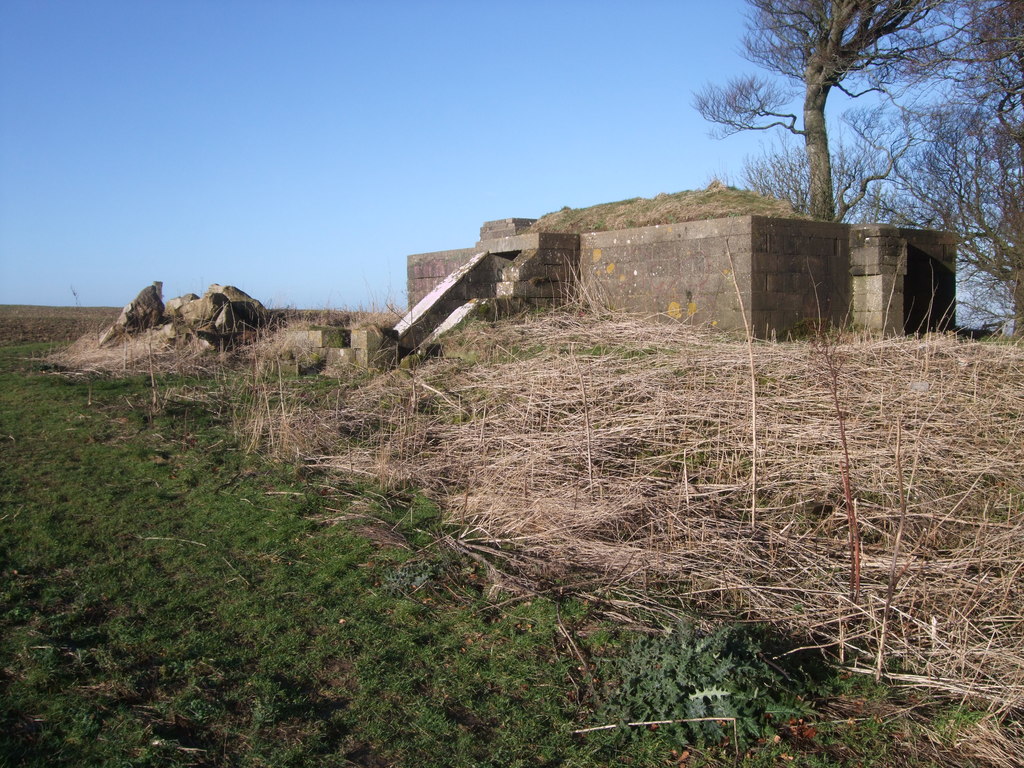
At each site, fires and lights were set across large areas of open land to resemble the burning streets of cities or towns. By the end of the war, 237 decoys had been built, and an estimated 968 tonnes of explosives were dropped on them instead of the Germans’ intended targets.
Each Starfish site was built around four miles from the urban area being protected, and a mile from any centre of habitation. The remains of Swindon’s Starfish can still be found in a field off the Ridgeway trail near Liddington Hillfort, now cloaked by a small copse of trees and grassy turf.