
Lucy Shepherd was asleep in the Serengeti when she felt the paw of a lion brush against her tent in the darkness. “I’ve had a lot of scary moments in my time, with snakes, jaguars or avalanches, but that has to be the most scary,” admits Shepherd, who was crossing Tanzania’s unforgiving wilderness with members of the Hadza and Akie tribes for her Channel 4 series Secret Africa: Into the Wild, which is screening in May.
“Different prides were getting closer each night. And then one lion put himself next to my tent. It just started roaring for two minutes. The only thing you can do is remain completely silent. They know you are there. They are just showing you who’s boss. His paw was so close I could feel the heat of him. I was curled up like an embryo and trying not to move.”
The 33-year-old, who grew up in Suffolk, has enjoyed adventures in the natural world since childhood. From holidays in Scotland and Wales to epic expeditions to the Arctic and Amazon, she has forged a reputation among her peers for her creative vision and gritty resilience. At the age of just 23, Shepherd became a Fellow of the Royal Geographical Society, and she is the youngest ever elected council member of the Scientific Exploration Society.
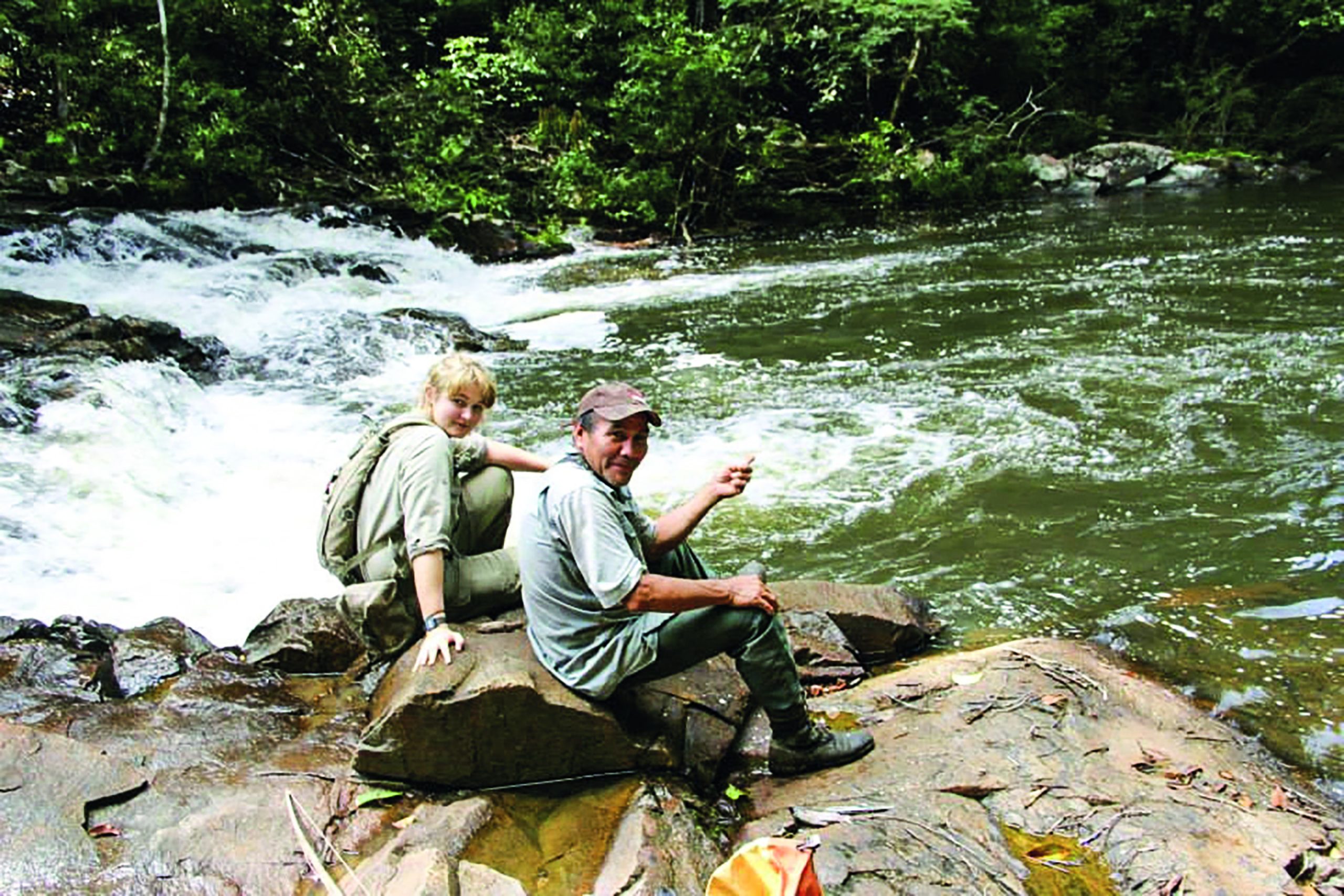
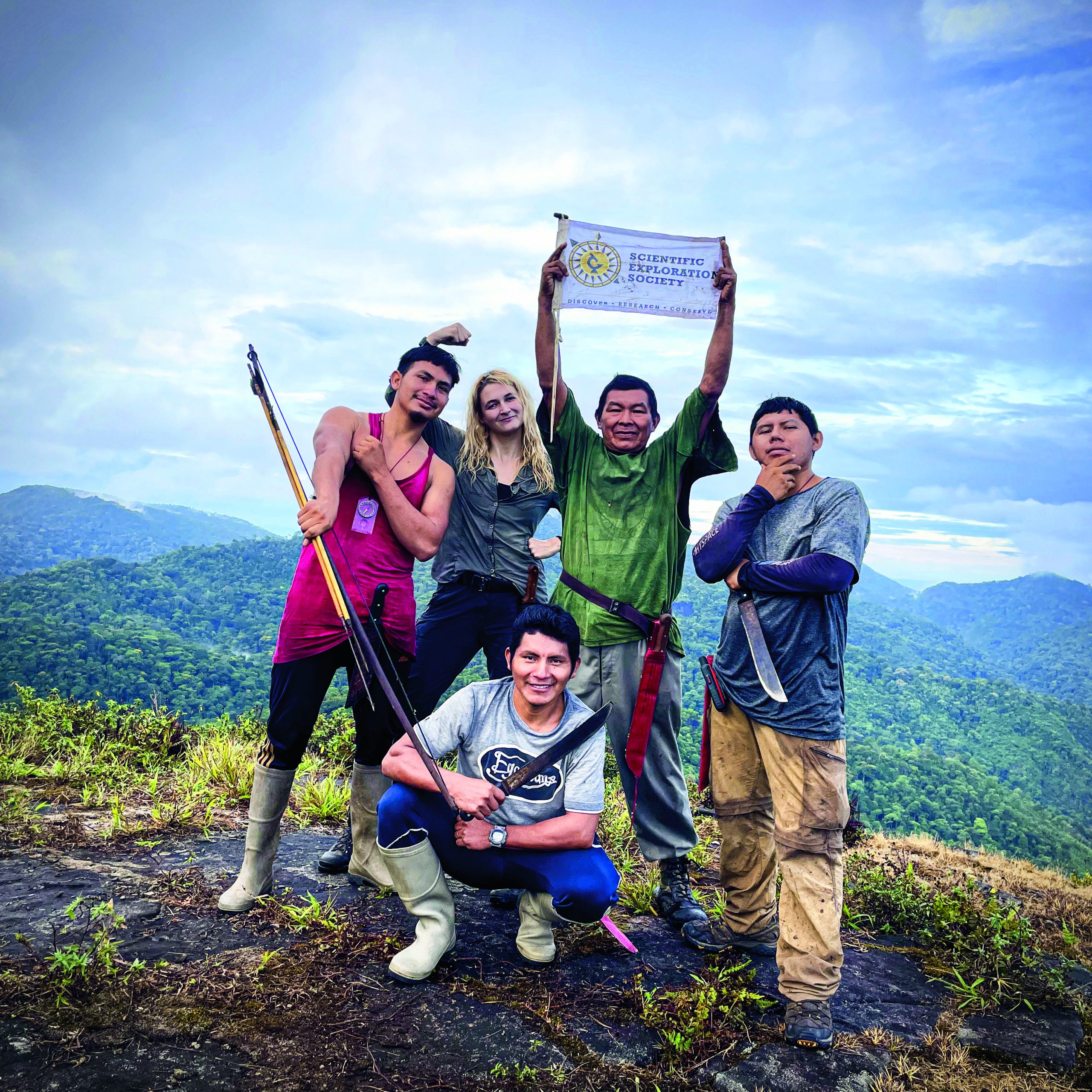
Her first TV show, Secret Amazon: Into the Wild, saw her complete a 50-day, 400km trek with Amerindians across the Kanuku Mountains of Guyana from east to west, using 50-year-old maps to navigate. “Move over Bear Grylls… there’s a new TV adventurer on the block!’ declared the TV Times. The Times newspaper dubbed her “the most hardcore member of the new generation of British adventurers.”
Shepherd has now published a memoir, Into the Wild: The Making of an Explorer. “I want everyone to know that the wild still exists,” explains Shepherd, when we speak at a café close to her home in London. “The wild creates this real excitement for adventure. Everyone is an explorer in their own right.
"I want my stories to reach everyone, including the people who may not necessarily go to the travel section of a bookshop, or who might not have gone hiking. Adventure is exploration. It is friendship. It is going through hard times. It is coming of age. It is a shifting of perspective.”
In his 2007 book, The Wild Places, nature writer Robert Macfarlane memorably chronicled the mystery, the allure, the apparent loss and the astonishing resilience of the wild in Britain. Shepherd’s adventures are forged by a similar yearning for untamed landscapes.
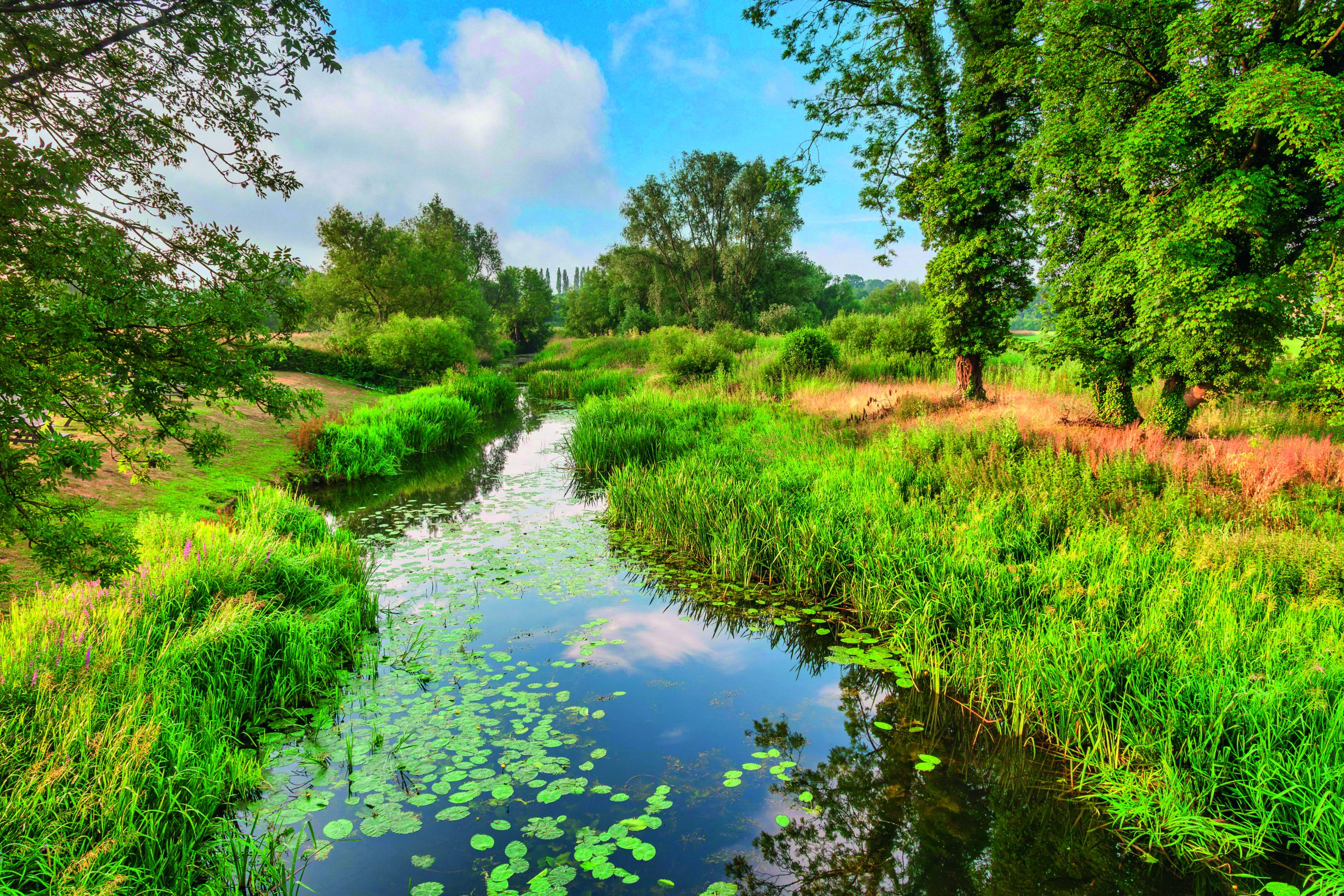
“My mission is to try and rekindle a sense of awe and wonder for the wild,” she says. “A lot of us lose it because we don’t think there are wild places out there. But the wild still exists. In Scotland, I see dramatic mountains and I just think ‘Wow, this exists here’. Unlike New Zealand or the Alps, where there are clear footpaths, Scotland is even wilder. But that’s the beauty of it.”
Dreaming big
All adventures begin with the imagination. As a child in Suffolk, Shepherd would climb trees and dream up magical adventures in her garden. She loved the feeling of dirt under her nails and the breeze in her hair. “There was a rough, untidy bit of our garden where you could feel like you’re in the wild, and it made me live in my imagination.
"I was an only child as well, so I had to rely on my imagination. And my mum said how important it was to hang onto that. Even when I was bored, I could still escape in my mind.” She would film herself and her best friend Harry playing out episodes of Bear Grylls’ Man vs. Wild in the garden. Today, her own TV shows, also self-filmed, are sparked by the same wild imagination.
In her new book, she writes: “An adventurer and an explorer by definition is a professional delusionist: someone capable of fooling themselves into pushing further than they thought possible, under the illusion of total control.” Shepherd’s vivid imagination is also an essential part of her survival toolkit.
“Even now, I get this gut feeling mixed with a reading of the future,” she says. “Visualisation has helped me on expeditions. Before you go, you have to ask: ‘what if?’ I’ve got to go through all the negative scenarios in my head so that, if it does happen, I’ve thought about how physically and mentally I will cope.”
New horizons
Shepherd is s huge fan of adventurers Bruce Parry and Bear Grylls. “Their programmes opened my eyes to parts of the world I had never seen,” she says. “I had this desire to get everywhere. But I also liked seeing people who would do a Comic Relief challenge, like Davina McCall, and overcome a mental battle. That inspired me too.”
Aged 15, Shepherd joined a Ridgway Adventure camp in Scotland, where she did kayaking and climbing. “For the first time, I really felt like I was living what I had been playing when I was younger,” she says. “And that introduced me to this word ‘expedition’ and it sounded so grown up. I wanted to go on an actual expedition.”
When she was about to turn 18, Lucy found out about an extreme 10-week Arctic expedition to Svalbard led by the British Schools Exploring Society (BSES). “It was quite competitive, because they were only taking 10 people,” she says. “I applied, and we did interviews and went through training for a weekend.” She earned a place and enjoyed a spectacular Arctic adventure. “I really felt like I had found my thing,” she says.
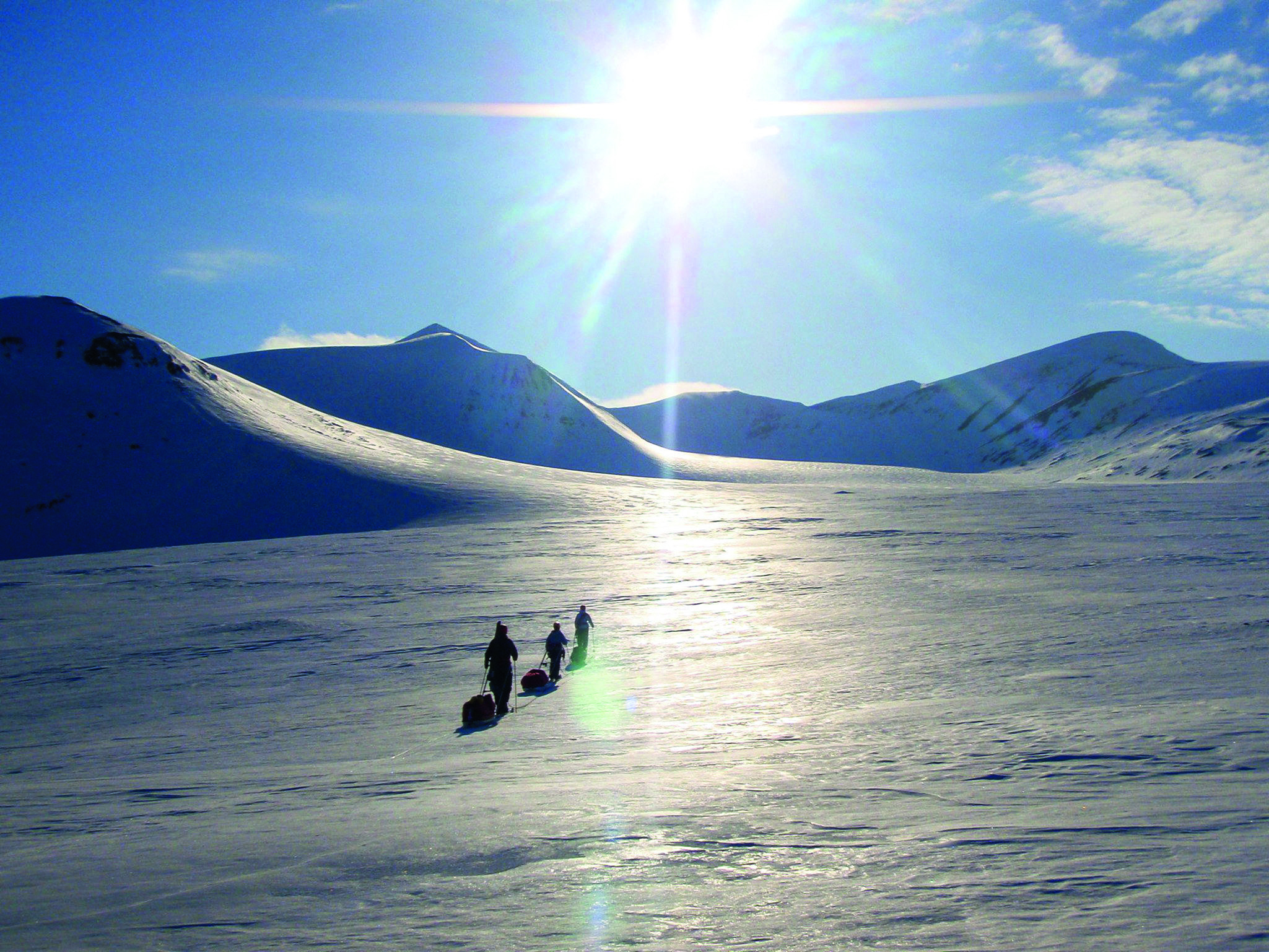
Returning to England, she began hanging around the Royal Geographical Society, where she met Sir Ranulph Fiennes and other adventurers. Shepherd has since completed over 30 expeditions, traversing mountain ranges, tropical rainforests and polar regions, from a 2017 ascent of Alaska’s 6,190m Mount Denali, where she faced -40°C degree temperatures and 90mph winds, to an unsupported crossing of Norway’s Finnmarksvidda plateau in 2018.
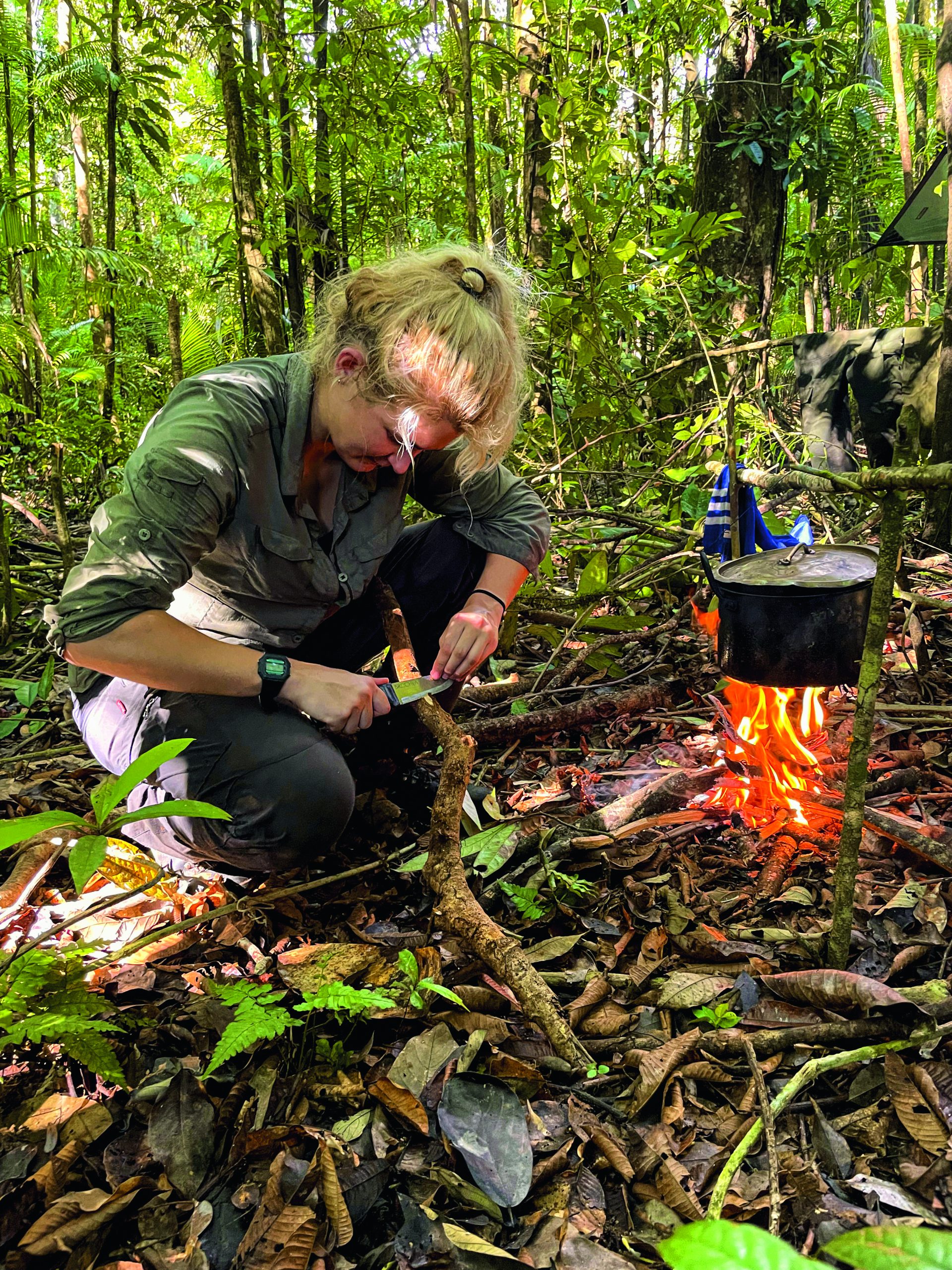
Her big highlight is that 2021 Amazon expedition to Guyana’s Kanuku Mountains – one of the last untouched wildernesses on Earth. She encountered dense jungle, perilous rivers, illness, bushmaster snakes, jaguars, alligators, fire ants and parasites. “On the most arduous days we were only doing 2km per day,” she says. “I had a sore on my leg and groin and every step was just agonising pain. As time goes by, the more I think: whoa, how did we pull that off?”
Empowered by adventure
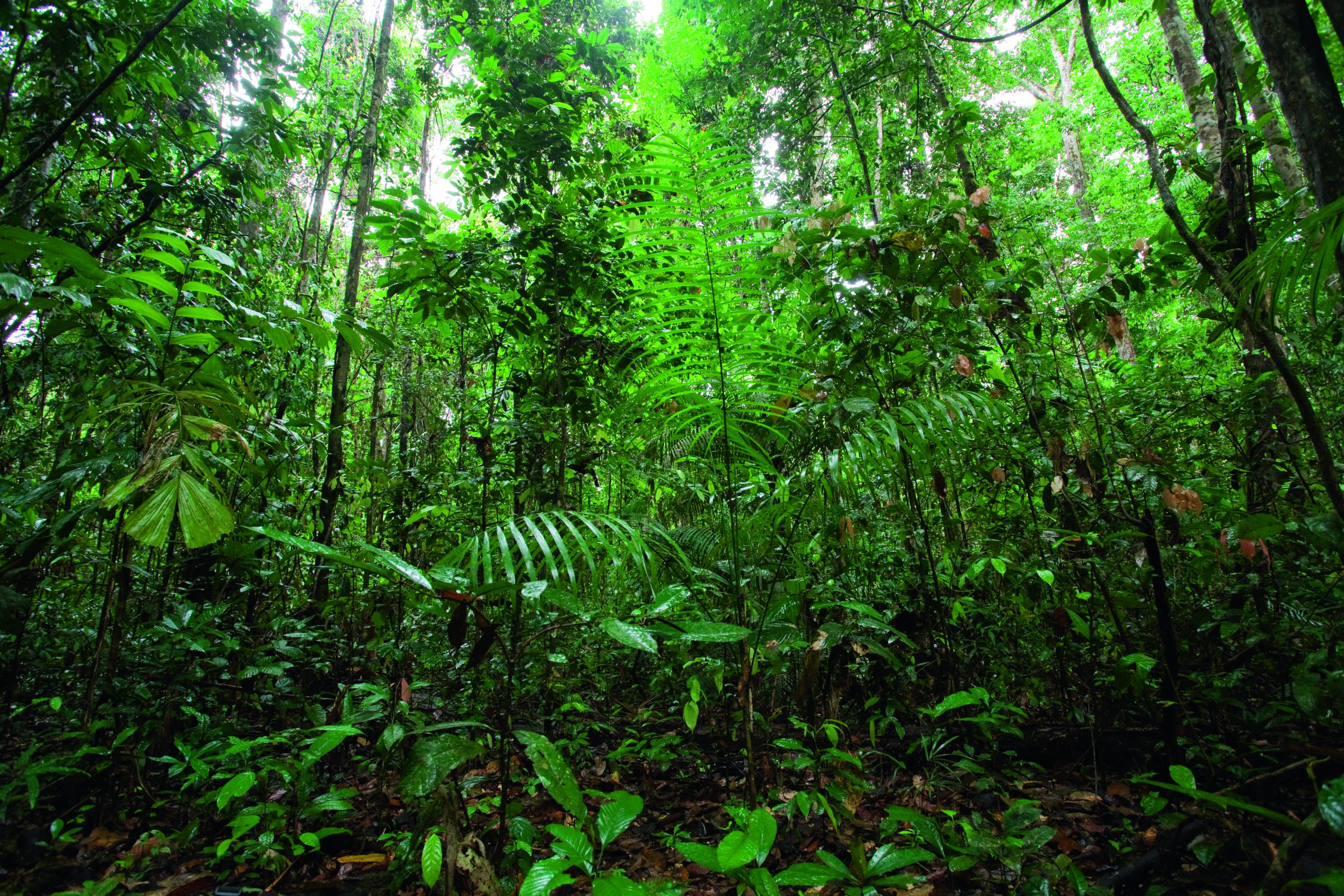
Despite her own epic adventures, Shepherd is troubled by research which suggests three-quarters of UK children spend less time outdoors than a prison inmate. What can parents do to instil a passion for nature in their children? “I remember the amount of walks that we went on as a kid and that is an easy way to do it,” she says. “But it’s also about engaging and making that walk fun, like you’re searching for trolls or something, so you have a fun time as a family, rather than just trying to kick the kids out the door.
“There is so much thrill to be had from just climbing trees,” she adds. “Once children find that love of feeling empowered by what they can do outside, not being told off for being muddy, they will love it. But make it fun for the parents as well. What can you recreate that you used to love doing? Maybe you climb a hill or walk a loop together. It is a start.”
Shepherd has faced some prejudice as a female adventurer, but she sees progress in the notoriously macho industry. “All the work that’s been put in, you’re starting to see it is more inclusive,” she says. “There is still a sense that you have to prove yourself, not necessarily by your achievement, but by proving that you really want to be there. People have sized me up. Testing to see if I get offended easily. But I always stuck it out.”
Through her expeditions Shepherd likes to raise awareness of the beauty and the vulnerability of nature. She strongly believes that adventures help us smash through the apathy of climate doom and rekindle a deep respect for nature – and a desire for positive action, however big or small. “Even the difference no-mow May has made in London, you see more insects,” she says.
A change of mindset
Lucy also believes that adventures make us better people. Venturing into the wild inspires us to adopt an ‘explorer’s mindset’: to bravely embrace the unknown, to feel a sense of community that we lack in modern society, to relearn how to focus without mobile phones and to build the resilience to overcome challenges. “Resilience happens easily on adventures, because you’re constantly coming up with obstacles to overcome – and it’s very fulfilling,” she says. “You then use that in everyday life.”
Adventures are just brilliant fun too. American aviator Amelia Earhart once said that “adventure is worthwhile in itself”. It’s a quote that Shepherd treasures. “Adventure has the ability to fill you up with energy,” she says. But exploring the wild is, above all else, deeply transformative. “I feel that the wild really shows me the best version of myself,” explains Shepherd.
“The wild, whether it’s in Scotland or Wales or anywhere outside, is like a time capsule for your soul. Whenever I go into the wild, I feel like I’m the same person I was when I was 18 or 12. This is me at my purest. Just me. And it is the same for everyone. You are at your rawest in the wild. Being outside is a catalyst. There is no hiding. You will see your good side, and your bad side, and really know yourself.”
