When it comes to big-budget British construction projects, some overpromise and underdeliver, while others sink millions of pounds at the time but go on to become an invaluable part of Britain’s infrastructure.
Here, we head out on a tour of the UK, stopping off at the various locations that have played host to some of the biggest budget construction projects of the 20th and 21st centuries. Were they worth it? You decide.
Expensive British construction projects
1. HS2
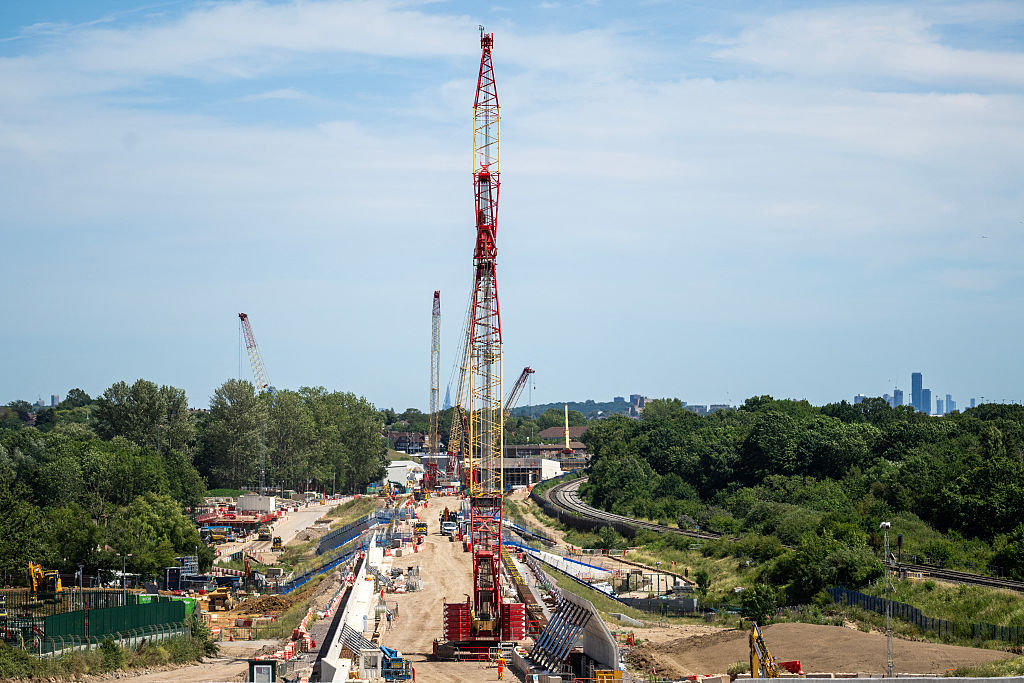
The high-speed railway linking Manchester, Leeds, Birmingham and London had an initial budget of £33bn in 2010. Now reduced to a 140-mile line between London and Birmingham, the cost has spiralled to an estimated £88-103bn. That’s £630-730m per mile. By comparison, Spain’s high-speed network cost £26m per mile. Add in the 44 acres of ancient English woodland destroyed and that’s quite a price to pay just to knock 30 minutes off a journey.
2. Sizewell C and Hinkley Point C nuclear power stations
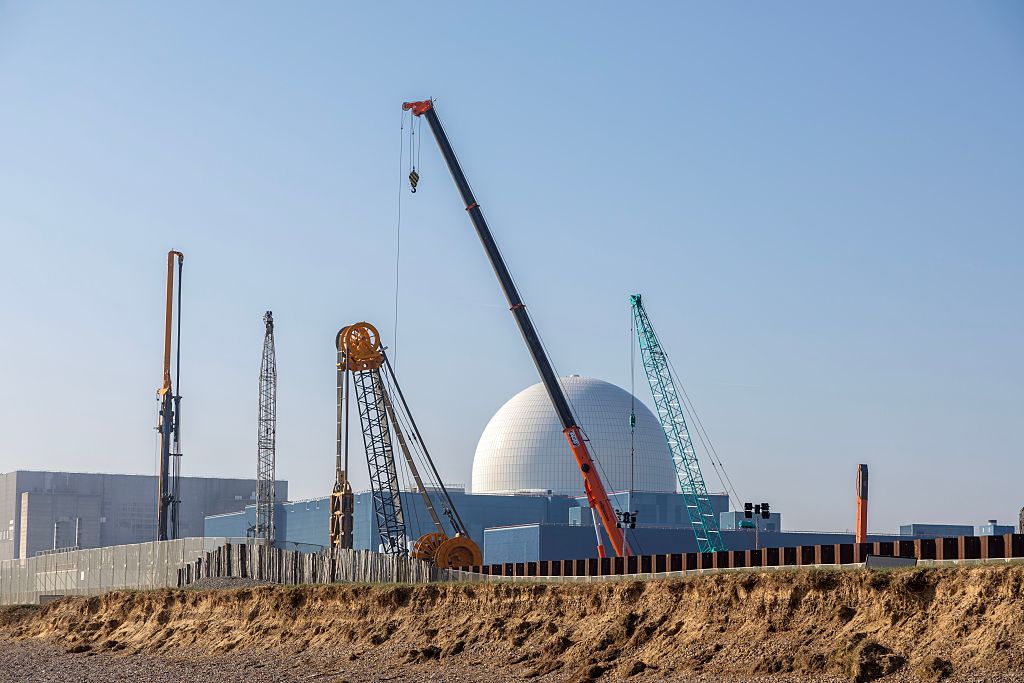
Built with assistance from the world’s largest crane, Somerset’s Hinkley Point C nuclear power plant is overdue and over budget, but may come online by 2030 at a cost of £31-34bn. Meanwhile, Suffolk’s Sizewell C is due to set the UK back at least £40bn. Understandably, both projects have met opposition from locals and environmental groups. Ironically, contracts entered into by previous governments mean the power stations will produce electricity that is much more expensive than from wind or solar.
3. The Elizabeth Line
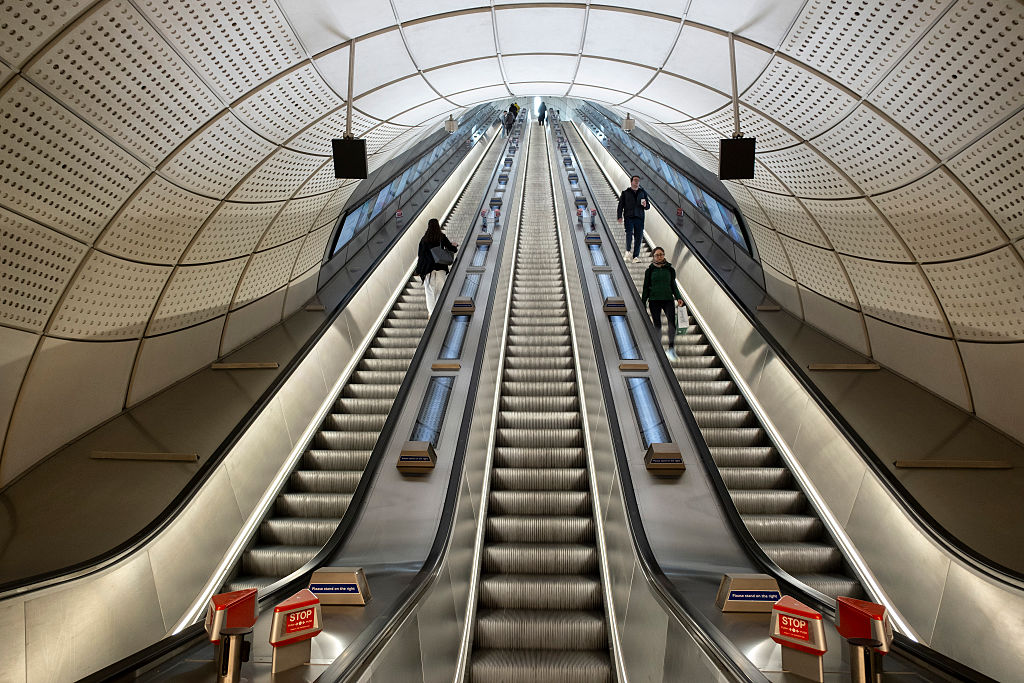
Given how expensive it is to build a railway in Britain, you’d be forgiven for thinking that the tracks are made of gold, with rubies and emeralds used for ballast. The Crossrail project that pushed the Elizabeth Line east-west across London cost an eye-watering £19bn. In its defence, it includes 26 miles of tunnel and 10 brand new stations. One of those is Farringdon which links Elizabeth with the Metropolitan Line, the world’s very first underground railway.
4. Lower Thames Crossing
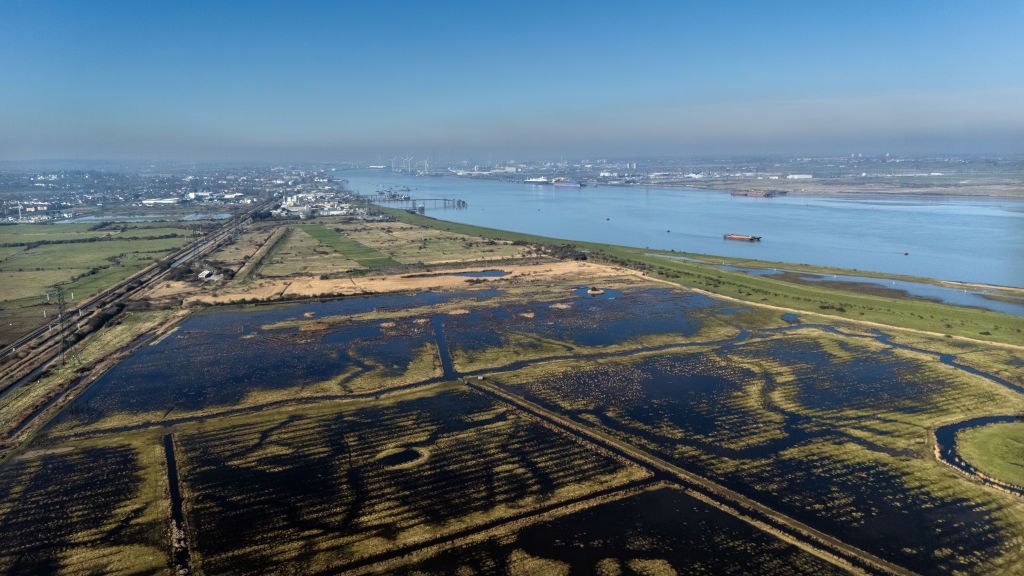
The first ever tunnel under a navigable waterway slid under the Thames between Rotherhithe and Wapping. It took 18 years to dig, opening in 1843 and costing £634,000 (roughly £72m today). By contrast, the latest Thames tunnel under construction has a £10bn budget and consists of twin tunnels 2.6 miles long between Essex and Kent. It’s part of a 14-mile road-building project intended to relieve congestion at the Dartford Crossing. Until it too becomes congested…
5. Brent Cross town
It’s perhaps no surprise that some of Britain’s largest ever development projects are based in and around the capital. Brent Cross Town is an £8bn development that will transform the area in the London Borough of Barnet into a ‘park town’ prioritising health, community and sustainability. It includes 6,700 new homes, 3m ft² of office space, a Sheffield Hallam University campus, and 50 acres of parks. Construction began in 2020 and is expected to take 10 years.
6. Heads of the Valleys road
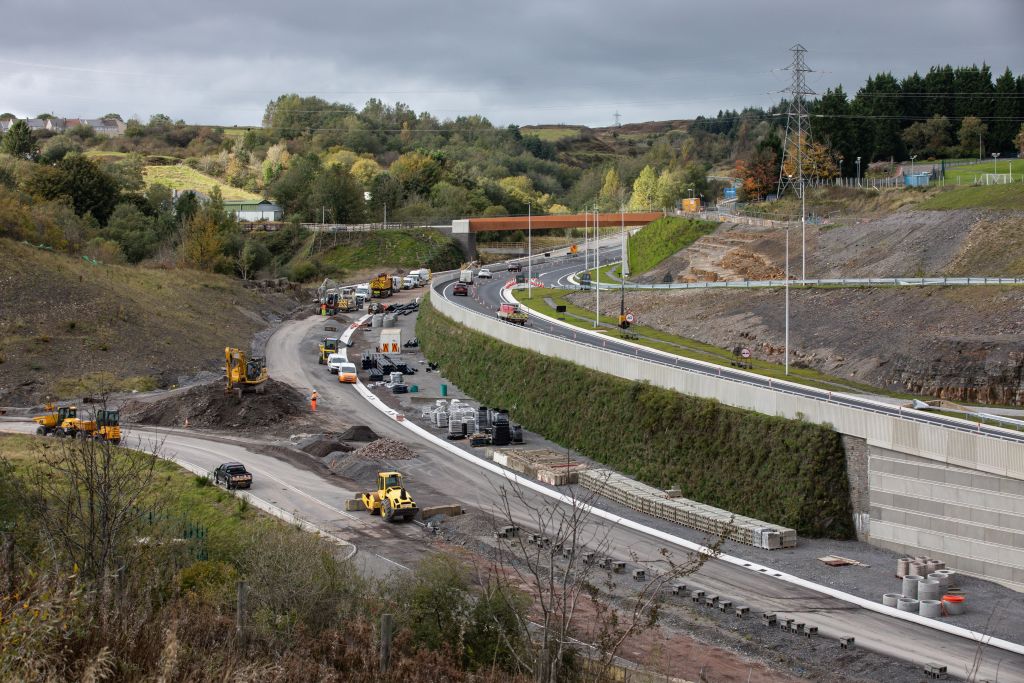
The record for the most expensive upgrade to a road in Wales now stands at £2bn. Opened last summer, the Heads of the Valleys road project has turned 28 miles of the A465 into a dual carriageway, running from the M4 near Neath to the A40 at Abergavenny. It took a mere 23 years, and included 30 new bridges and around nine miles of routes designed to promote ‘active travel’ – walking, cycling and rolling.
7. Scottish Parliament building
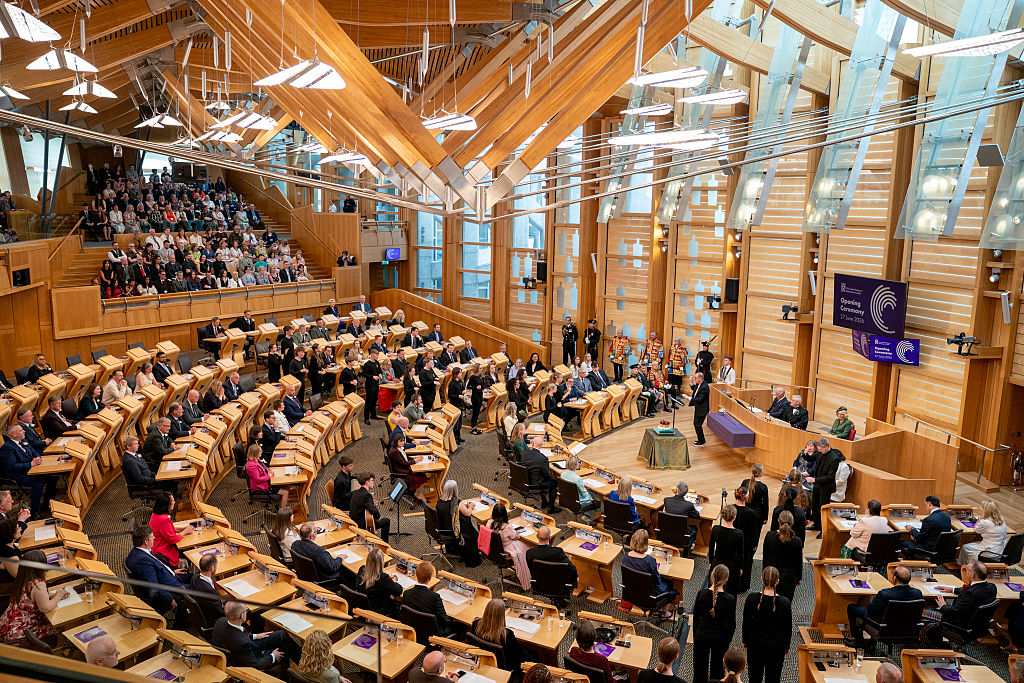
Although cheap when compared with the £13bn apparently necessary simply to renovate the Palace of Westminster, special mention should be made of the Holyrood seat of the Scottish Parliament. Initial estimates of construction costs wavered between £10m and £40m back in the innocent days of 1997. When it opened its doors in 2004 – three years late – it had burnt through more than £400m, sparking a public enquiry into what went wrong. Answer: almost everything.