
During their annual migration, birds are able to navigate vast distances across the globe without a map or compass. How do they find their way? What happens if they do, in fact, get lost?
How do birds not get lost?
Birds navigate vast distances using their innate magnetic compass, which detects the Earth’s magnetic field and adjusts their route accordingly. The migratory instinct and internal map within them become hard-wired very quickly, with most birds able to repeat the same migratory pattern year on year, once they have undertaken it for the first time. For their first migration, they will follow more senior birds in the flock.
They also follow visual landmarks on the horizon, such as rivers, coastlines and mountains. Like many of our ancestors, they are also guided by the sun and stars to find their way towards their destination.
They also use their finely tuned sense of smell to follow ‘flyways’, highways for bird migration.
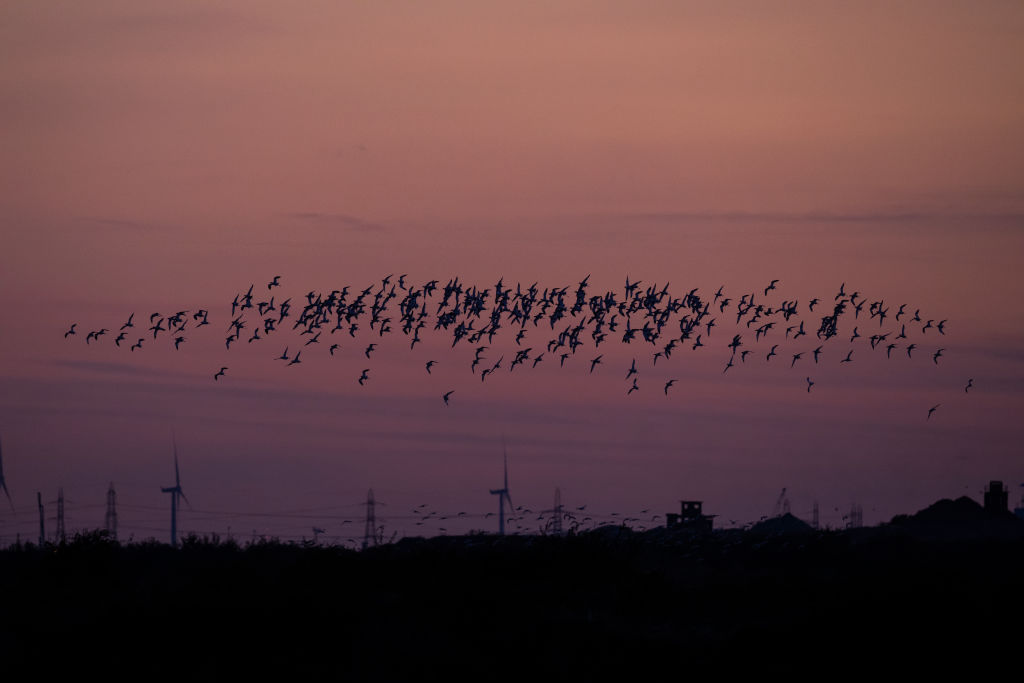
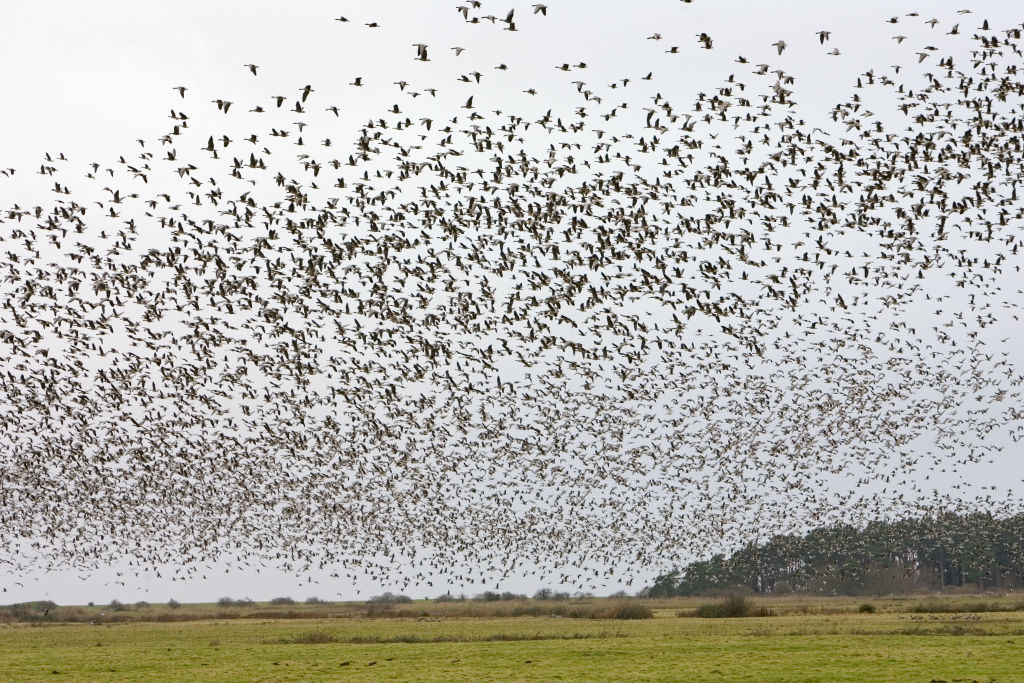
You’ll undoubtedly notice that birds usually travel in a flock, taking turns leading to share the heavy physical burden of flying. Like a cyclist leading the peloton, the bird at the front of the V-formation will bear the brunt of the headwind, exerting the most energy. Rotating the lead position also allows the flock to collaborate on navigation.
What happens if they get lost?
Some birds do indeed get lost along the way, often due to bad weather or the approach of predators. Youngsters in the flock can easily go astray, or man-made objects such as tall buildings can cause collision problems while the flock is migrating. These ‘lost’ birds are known as vagrants, and can become displaced.
Many do eventually find their way back to their migratory route, however, particularly if they are older and can use their experience to redirect their journey.
The Isles of Scilly are a hotspot for vagrant birds. This is mainly due to their location: 28 miles off the coast of Cornwall, these islands are the first European pit stop migrants will find while crossing the Atlantic from North America. Bee-eaters, hoopoes, belted kingfishers, night heron, little bittern and subalpine warblers are some of Scilly’s many vagrant bird species.
Top image: Winter migratory birds hovers over the wetlands (Photo by Costfoto/NurPhoto via Getty Images)

