
The UK is known for its plethora of regional accents. If you hop in the car in Liverpool and drive the 30-odd miles to Manchester, you’ll hear a totally distinct accent when you arrive.
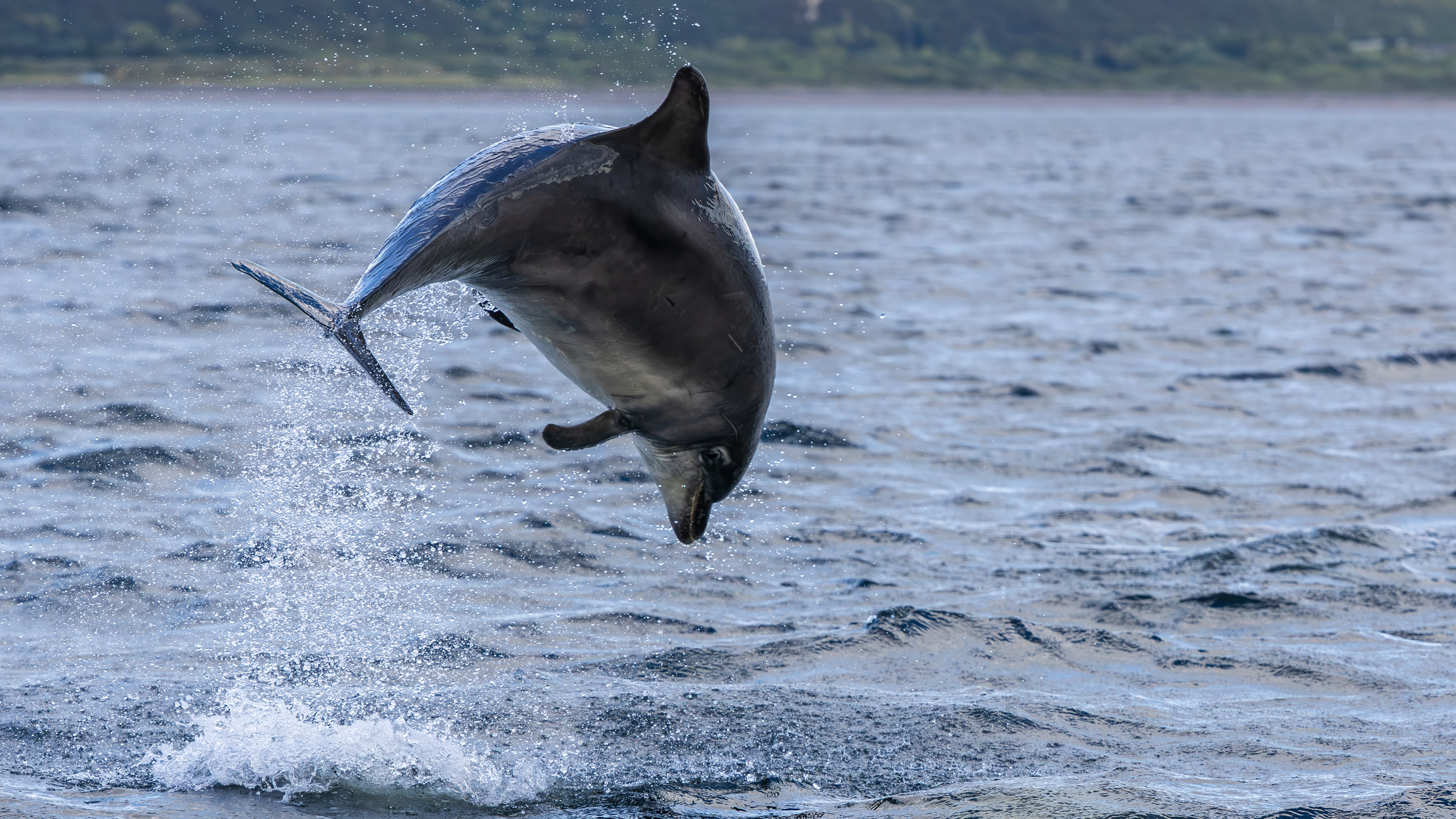
This isn’t unique to humans. Dolphins may also have different accents based on where they’re from.
Sound is a hugely important part of dolphins’ lives. In murky or dark waters, these animals use echolocation to tell where things are around them. They make a series of clicks and, from the way the sound waves bounce back to them, they can paint a picture of the world around them, including the location and size of objects nearby.
As well as using sound for navigation, dolphins also communicate with each other through clicks and whistles. Bottlenose dolphins are known for their signature whistle: a distinctive sound each individual makes to let the others know its identity. They typically make up their own signature whistle when they are less than one year old and they use it like their name.
Some studies have shown the features of dolphins’ whistles change depending on where the pod is from. In the 2021 BBC TV show Wonders of the Celtic Deep, scientists filmed 240 bottlenose dolphins and found that those in Cardigan Bay communicated with a ‘Welsh accent’ that was faster and higher pitched than the calls of other dolphins.
“There’s differences in the vocalisations of the Cardigan Bay dolphins to other populations in the UK and throughout the world,” said Laura Palmer, a researcher who studied dolphin bioacoustics at the University of Bristol in a BBC Radio Wales interview at the time.
Some of their whistles were a similar frequency to those made by other dolphin populations but they also produced “ultra-high frequency whistles” of around 40KHz – too high pitched for humans to hear.
There are a few things that might explain these varying dolphin accents. “It could be that the higher frequency whistle makes them stand out more. Perhaps that’s more attractive to potential mates, for example,” added Palmer.
Another possibility is that they stick together more closely in tight-knit groups so don’t need to communicate across large distances like some other pods. “Higher-frequency whistles don’t travel so far underwater,” she explains, meaning they wouldn’t be able to hear the higher pitched whistles as far away.
Dolphins in the Channel Islands sound different too, dolphin expert Paul Chambers told ITV News in 2024, saying: “Just as regional isolation in humans produces different speech accents, the same is true for dolphins and porpoises.”
Accents aren’t just reserved for British dolphins. Studies have also found differences in the vocalisations of bottlenose dolphins within different regions, such as populations in the Mediterranean, Japan and New Zealand.
Knowing about these differences in vocalisations can help scientists study these social animals. Eavesdropping on dolphins as they go about their business under the sea is helping researchers learn more about them.
Julie Oswald, a lecturer at the University of St Andrews created software called the Real-time Odontocete Call Classification Algorithm (ROCCA) that can identify different dolphin species by their call. The tool can categorise different dolphin sounds and even has ‘regionally specific settings’ that allows it to pick up regional accents.
Understanding the ins and outs of how these animals communicate with each other is important because noise pollution can have a negative impact on their ability to survive and thrive.
In 2007, scientists published a study on the differences between whistles of short-beaked common dolphins in the Celtic Sea and the Western Approaches of the English Channel. They found that the dolphins in the English Channel whistled at a higher frequency.
One of their theories was that animals in these waters were trying to be heard above the noise of all the vessels moving through. The English Channel is the world’s busiest ocean shipping lane.
“The common dolphins in the English Channel may have shifted the frequencies of their vocalisations up to avoid masking by low-frequency ambient noise produced by high levels of vessel traffic in this area,” the authors write in the paper.

