
From the rugged heights of the Peak District to the haunting, shifting shingle of the Suffolk coast, the British landscape has long served as a muse for musicians.
Whether seeking solace in the silence of an ancient hillfort or capturing the eerie atmosphere of a former military testing site, artists have frequently turned to the unique character of our rural terrain to shape their sound.
Songs and albums named after places in the British countryside
Solsbury Hill by Peter Gabriel
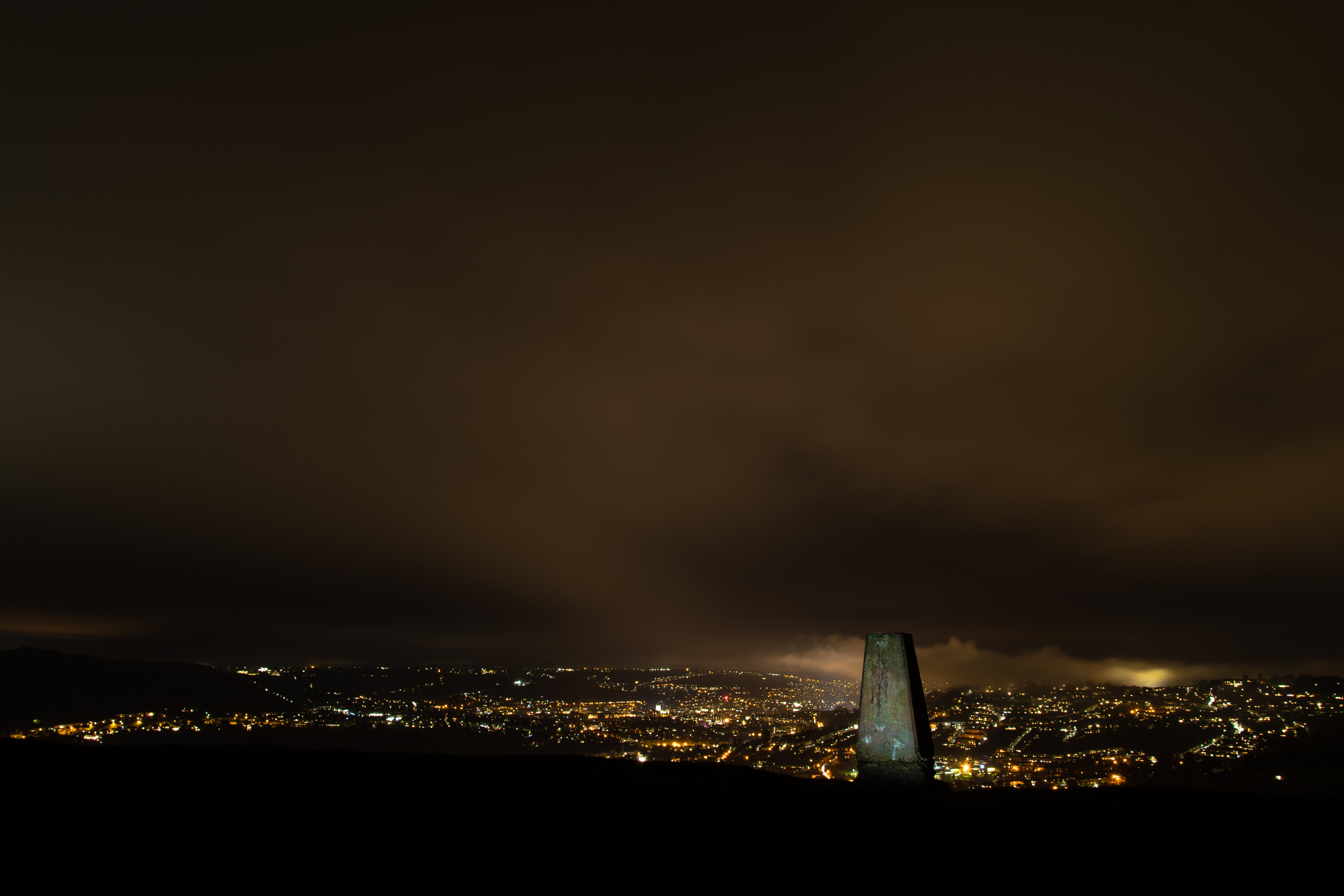
Peter Gabriel’s debut solo single was inspired by a spiritual experience he had atop Solsbury Hill in Somerset, following his departure from the prog rock band Genesis. "To keep in silence I resigned / My friends would think I was a nut / Turning water into wine / Open doors would soon be shut." It was during this time he spent more time in Somerset, going on to acquire an old sawmill in Box, near Bath, which he transformed into his famous Real World Studios.
Rising above the River Avon with views across the city of Bath, Solsbury Hill is a flat-topped hill and the site of an Iron Age hillfort.
Mull of Kintyre by Wings
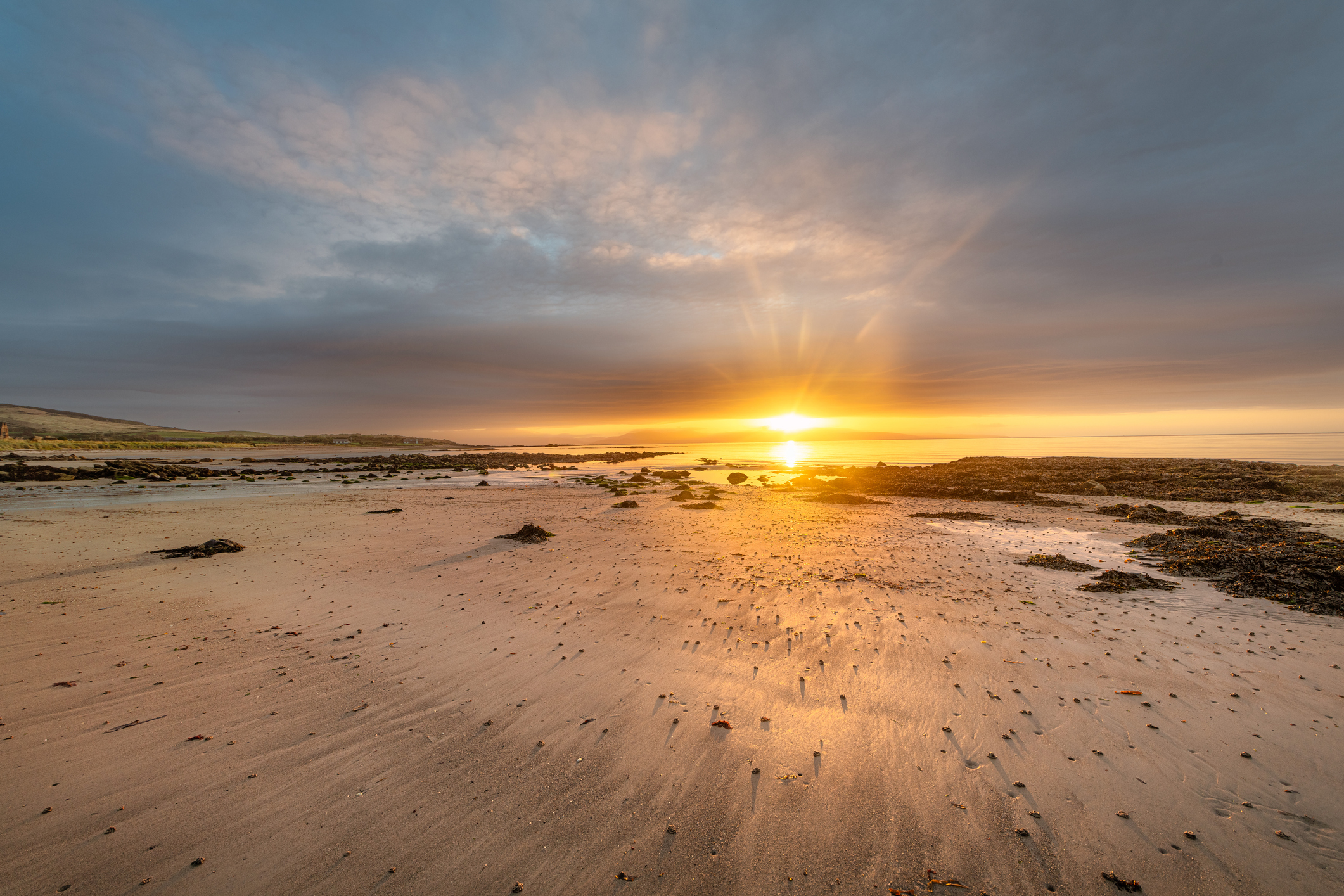
Paul McCartney and Denny Laine’s tribute to the Kintyre peninsula in Argyll and Bute became Wings’s biggest hit in the UK – and even became Christmas number one in 1977. The chorus is an ode to the natural beauty of the Scottish headland and its rugged weather: "Mull of Kintyre / Oh mist rolling in from the sea / My desire / Is always to be here / Oh Mull of Kintyre’." The song features the Great Highland bagpipes, a hat tip to the musical heritage of the landscape, and McCartney’s vocals and acoustic guitar parts were recorded outdoors.
McCartney was particularly fond of Scotland, and was living on High Park Farm in the Mull of Kintyre – which he still owns.
Rushup Edge by The Tuss (Aphex Twin)
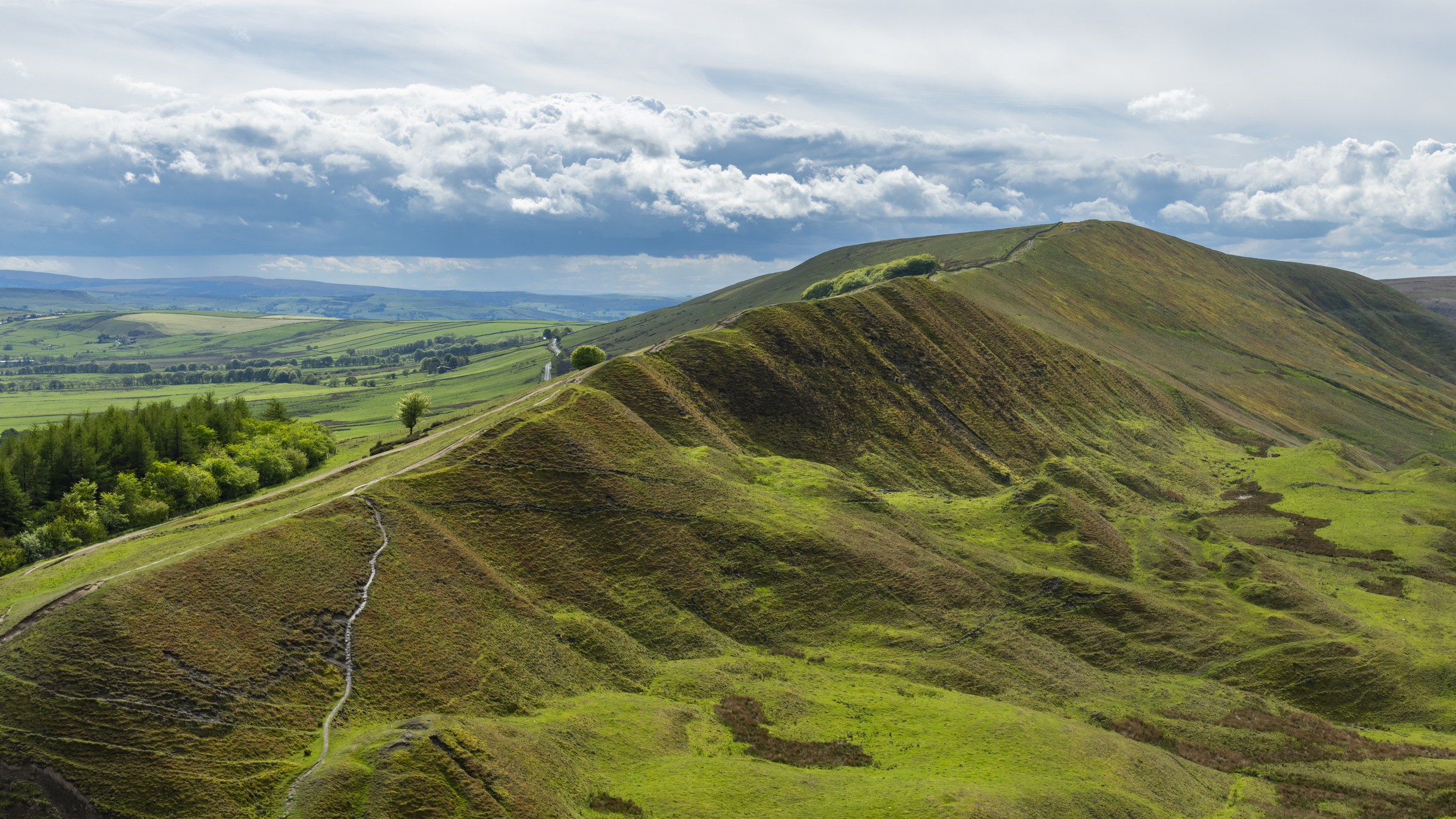
Rushup Edge was the first and only studio album released by The Tuss, an alias of Richard D James – who is now much better known as Aphex Twin. Named after a prominent ridge in the Peak District, the album features acid-style electronic beats and is said to be inspired by James’s walks in Derbyshire.
Earlier in 2001, the Cornish DJ wrote another track named after similarly unique features in both the British and French landscapes: ‘Mt Saint Michel + Saint Michaels Mount’. The track runs along at a blistering 200 BPM, with glitchy percussion and drill-like textures.
Ness by Hayden Thorpe
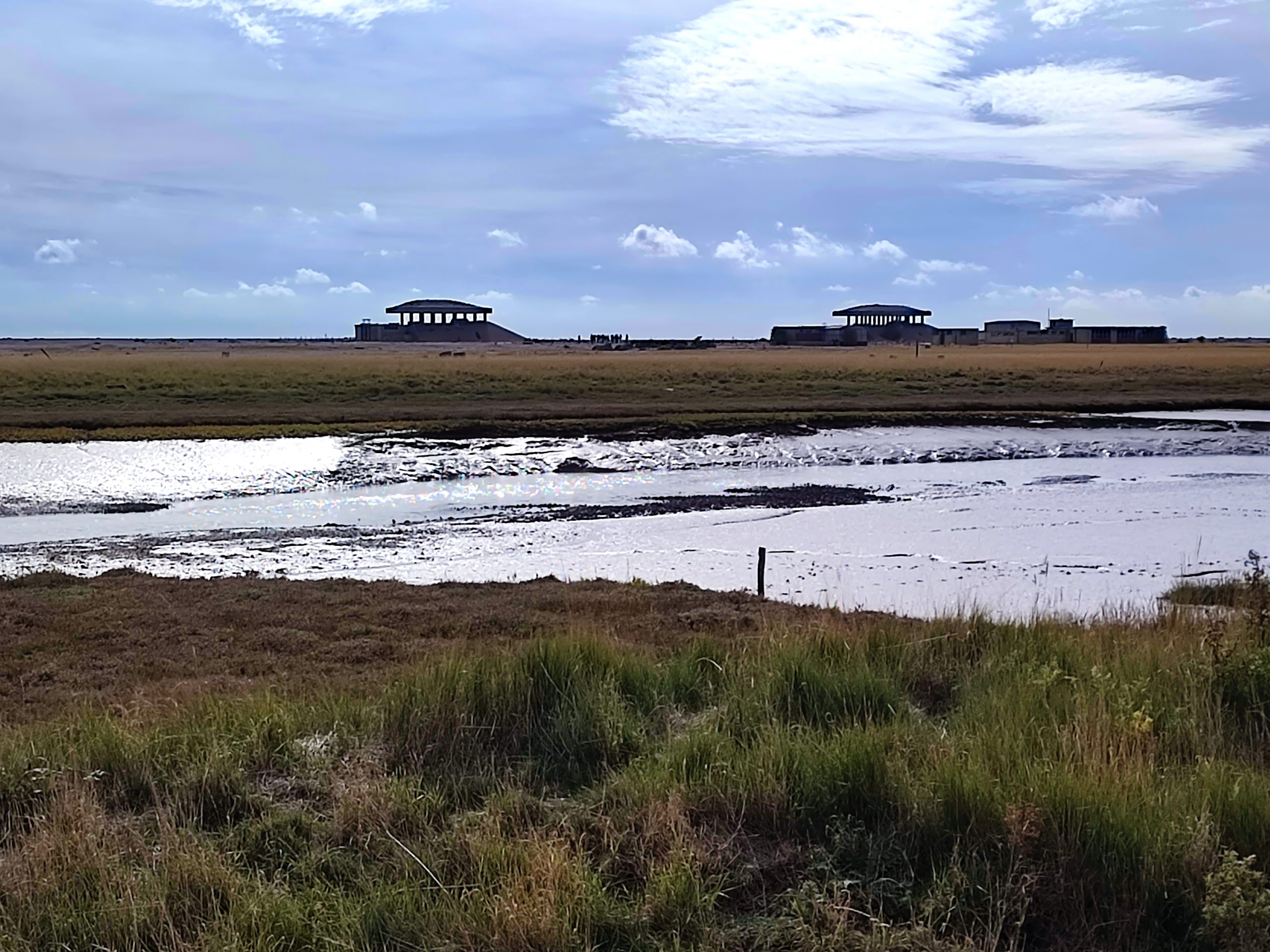
The former military testing site of Orford Ness has provided a rich seam of inspiration for writers, musicians and artists over the past few decades. The ten-mile-long shingle spit on the Suffolk coast boasts an intriguing and elusive history, thanks to its remote coastal location, which made it the ideal location for top-secret military research. Its defensive life started as an airfield during World War One, testing the use of weaponised propeller planes, then helping develop radar, before being used to test bomb ballistics and accuracy in the Second World War. During the Cold War, the site was used to test components for nuclear weapons, before the Atomic Weapons Research Establishment (AWRE) test site formally closed in 1971.
In 1993, the Military of Defence sold Orford Ness to the National Trust, with the aim of protecting its internationally rare, extremely fragile coastal vegetated shingle, and the wildlife that thrives there.
Hayden Thorpe’s album Ness is inspired by another piece of art created in response to the eery atmosphere of this Suffolk site: Robert Macfarlane’s prose poem, Ness, in which the place is brought to life as a figure with lichen skin and willow bones, made of tidal drift, green moss and deep time. Thorpe’s album combines manmade sounds with natural textures – the juxtaposition of which is seen and experienced on Orford Ness, with the disintegrating metallic structures set against the delicate shingle and wetlands.
- Spider beach: the abandoned military site in England now ruled by arachnids
- Shingle Street, Suffolk - the Invasion that never was?
Fog on the Tyne by Lindisfarne
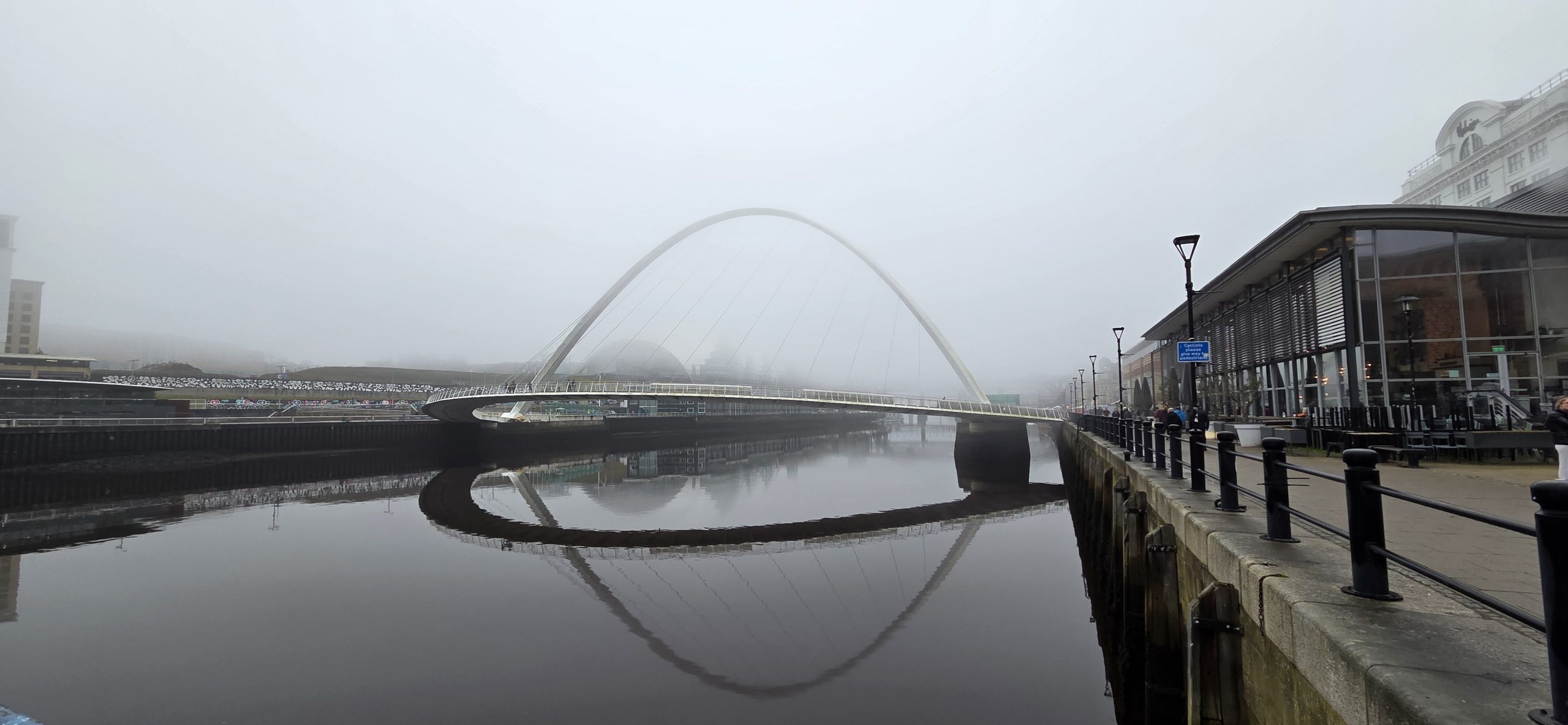
Even the band name is taken from a feature of the British landscapes: Lindisfarne is a tidal island off the coast of Northumberland, accessed only by a tidal causeway. It once served as a beacon for Celtic Christianity, and is now a haven for seabirds and grey seals.
The Newcastle-based band celebrated their region in 1971 with their second album, titled Fog on the Tyne, which helped launch them into new heights of commercial success. The band then rereleased the title track in 1990, with vocals by footballer Paul Gascoigne (who hailed from nearby Gateshead).
Wuthering Heights by Kate Bush
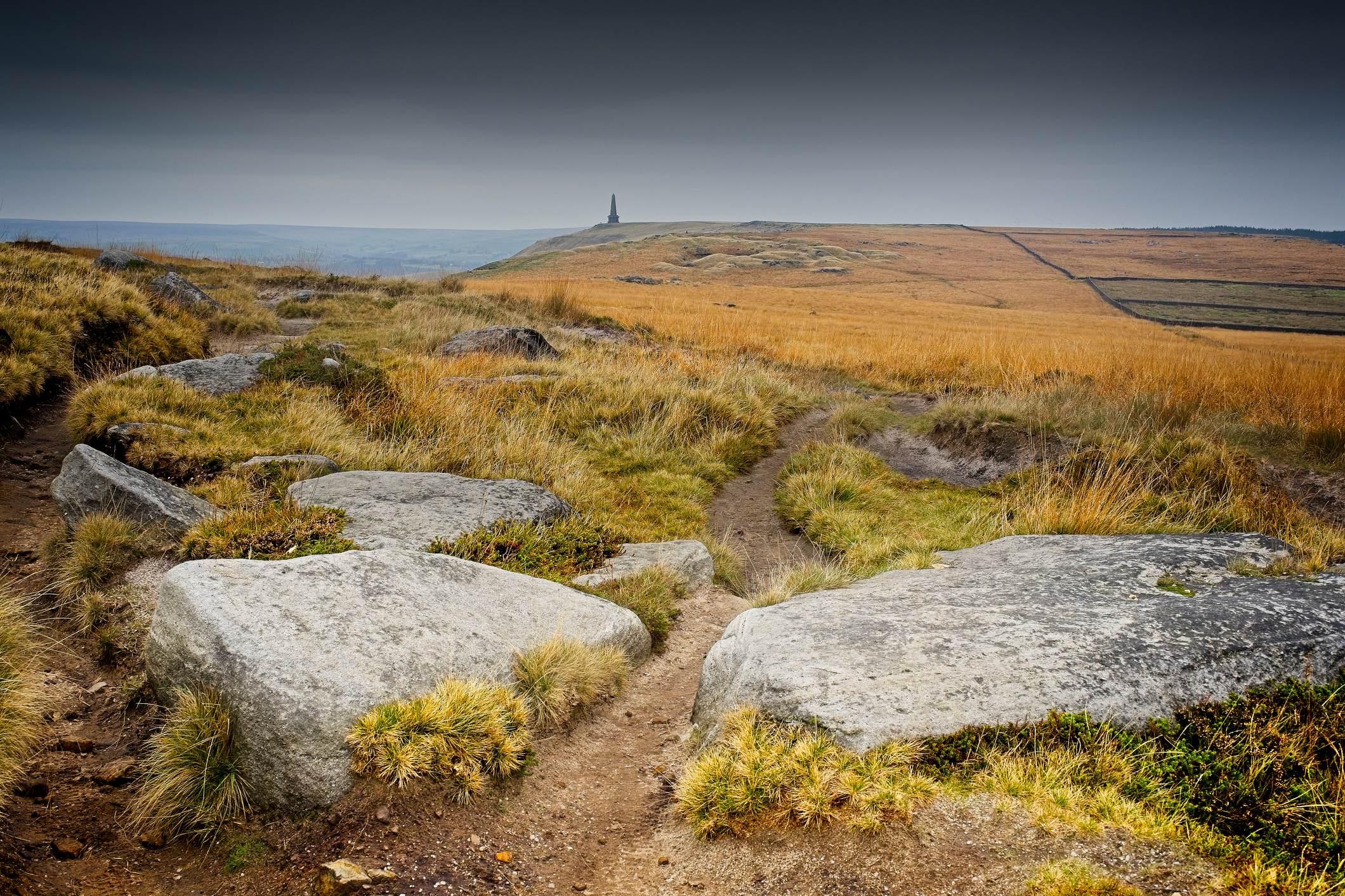
Wuthering Heights may not be an actual place in the British countryside – but but its literary origins are widely known. Kate Bush was inspired to write ‘Wuthering Heights’ after seeing the BBC adaptation of Emily Brontë’s 1847 novel of the same name when she was a child.
Brontë’s novel is set in the isolated moorlands of West Yorkshire, unfolding at the sinister, stormy house of Wuthering Heights and the more refined manor of Thrushcross Grange. She was likely inspired by her own surroundings, living for most of her life in the remote village of Haworth on the West Yorkshire moors, drawing inspiration from the bleak, wind-swept landscape to craft her only novel.
- 15 dreamiest, most romantic British rural love stories on screen
- Where is Wuthering Heights starring Margot Robbie filmed? All the locations explored in Emerald Fennell’s steamy adaptation
Dunwich Beach by Brian Eno
Brian Eno’s final album in his Ambient series focused on the sounds of the land, nature and wildlife. Ambient 4: On Land paid tribute to a great deal of the UK coastline, with songs named after Lizard Point in Cornwall and Lantern Marsh, a wetland on the Suffolk coast.
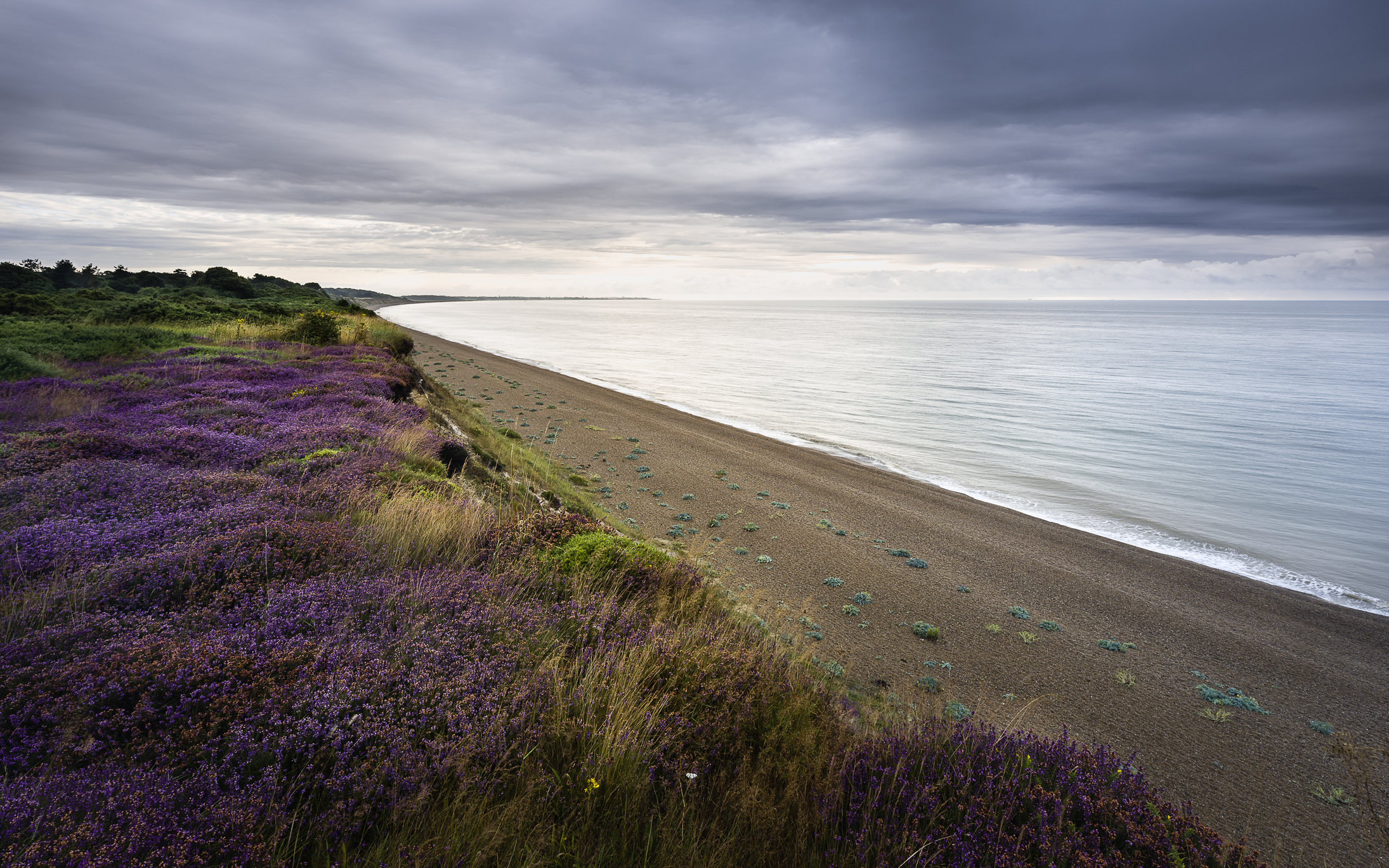
In ‘Dunwich Beach’, Eno articulates the peculiar sense of uncanny that exists along this stretch of coastline in Suffolk, where he grew up. The medieval port town of Dunwich was once a major industrial hub, the second largest and most significant port in England. But it was swept away in the dramatic storm of 1286, taking with it the Greyfriars Monastery and much of the town’s population.
The village was rebuilt later that century, but spires from the church and the foundations of old houses were subsequently rediscovered on the seabed, almost exactly where it was left. Since then, Dunwich has played a key role in military training, with troops preparing for the D-Day landings during the Second World War, and it is now a quiet, shingle beach, set against a backdrop of crumbling cliffs and heathland.
Grantchester Meadows by Pink Floyd
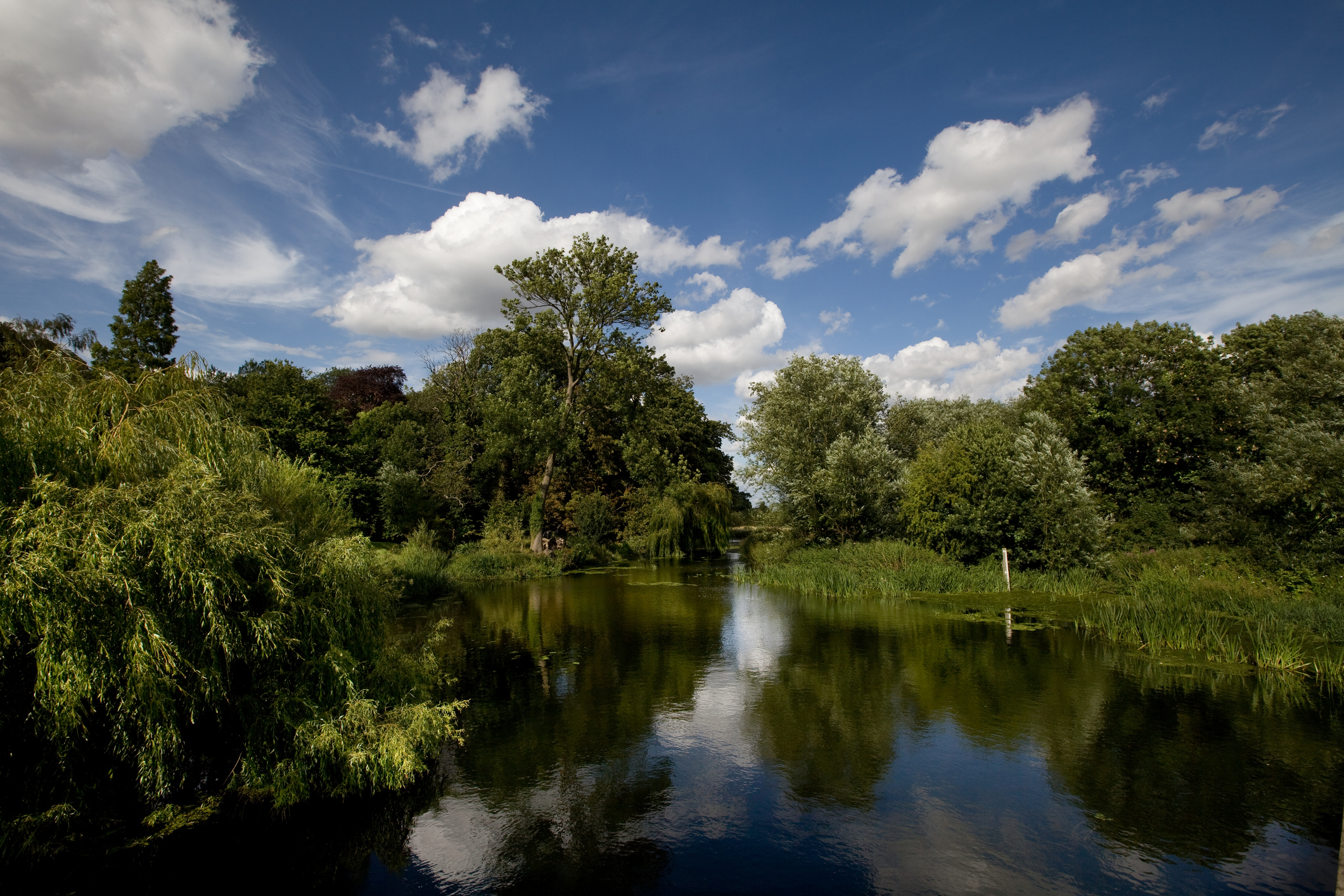
The second track from Pink Floyd’s 1969 album Ummagumma describes the pastoral scenes of Grantchester Meadows in Cambridgeshire, close to where lead guitarist David Gilmour lived at the time. The song features the sounds of a skylark, singing on loop throughout the entire song, with the honking of a Bewick’s swan about halfway through, and a fly closing out the track.
This is far from the only Pink Floyd track to celebrate the majesty of the British countryside, with several of their other tracks mentioning rural landscapes – if not by name, then by indirect reference.

