There is something uniquely satisfying about eating something you’ve grown yourself – nothing rivals the taste and sense of achievement of eating an entire meal that you’ve nourished from a seed.
I might be slightly biased though, as it was growing veg that really kick-started my journey into, and immense love of, gardening.
But I do think that growing food is a special type of magic that gives you a wider appreciation for the meal on your plate, brings you closer to your community as you share excess crops, and reconnects you to nature as you learn about growing seasons and crop seasonality.
It’s important to say that you absolutely don’t need a lot of space to start growing some of your own food. You’ll only need a couple of pots – but to completely abandon the supermarket and achieve true self-sufficiency would require a lot of growing space, and more importantly, a lot of time and effort.
Having a community around you, pulling together to share crops and help with growing and management, can make it much more achievable.
So, if you’re reading this in your lunch break with dreams of turning your back garden into a homestead, breaking free from working life and living off the land, I might have to manage your expectations slightly…but I promise that growing even a little bit of food is life-changing in lots of lovely ways, even if you will still have to push a trolley round occasionally!
How to actually get started
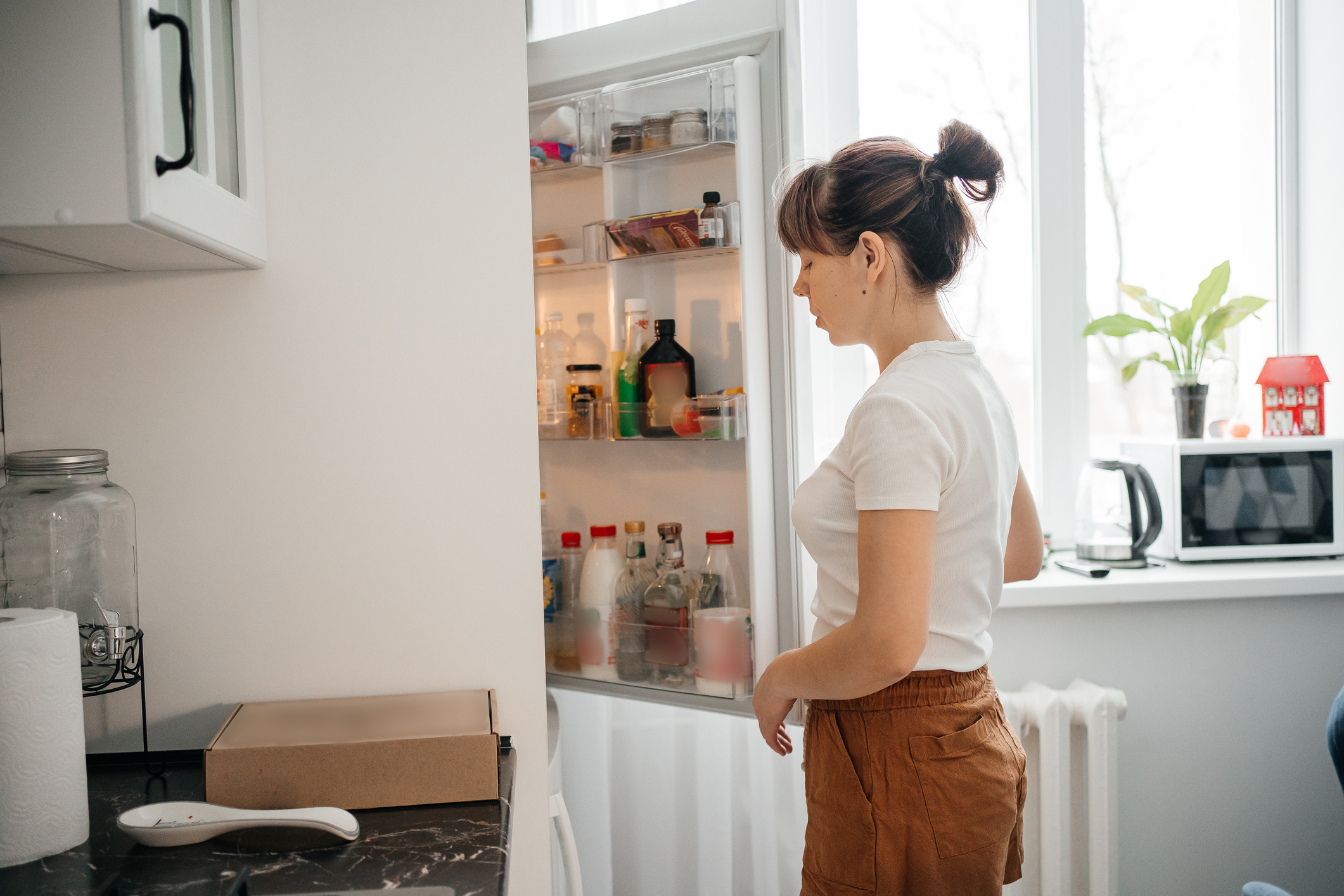
I spend a lot of time talking about how to grow food, and one of the first questions I’m always asked is: ‘How do I get started?’ And honestly, the starting point is not in a garden at all – it’s in your kitchen.
Have a look around and see what you actually eat and would therefore want to grow, and start thinking about what you spend the most money on when it comes to fruit and vegetables.
There is no point trying to grow lots of things you think you should grow but won’t actually eat. The best example of this for me is courgettes.
I absolutely hate the texture of them, but without fail, every year someone offers me a courgette plant they have going spare, and I (for reasons still unknown to myself) accept and plant it in the patch, only to be faced with 20-odd courgettes to rehome when they take off!
I promise, even if you only grow one courgette plant, you can be overrun by the things in summer, and there is only so much courgette one person can eat!
Once you’ve got your list of things you eat, do a quick bit of research into how they actually grow. Are they climbers? Are they expensive to buy? Do they grow underground? Do they need a lot of space? Are they cut-and-come-again, or one and done? Is the plant perennial (i.e. does it live for more than one year)? How long does it actually take to grow?
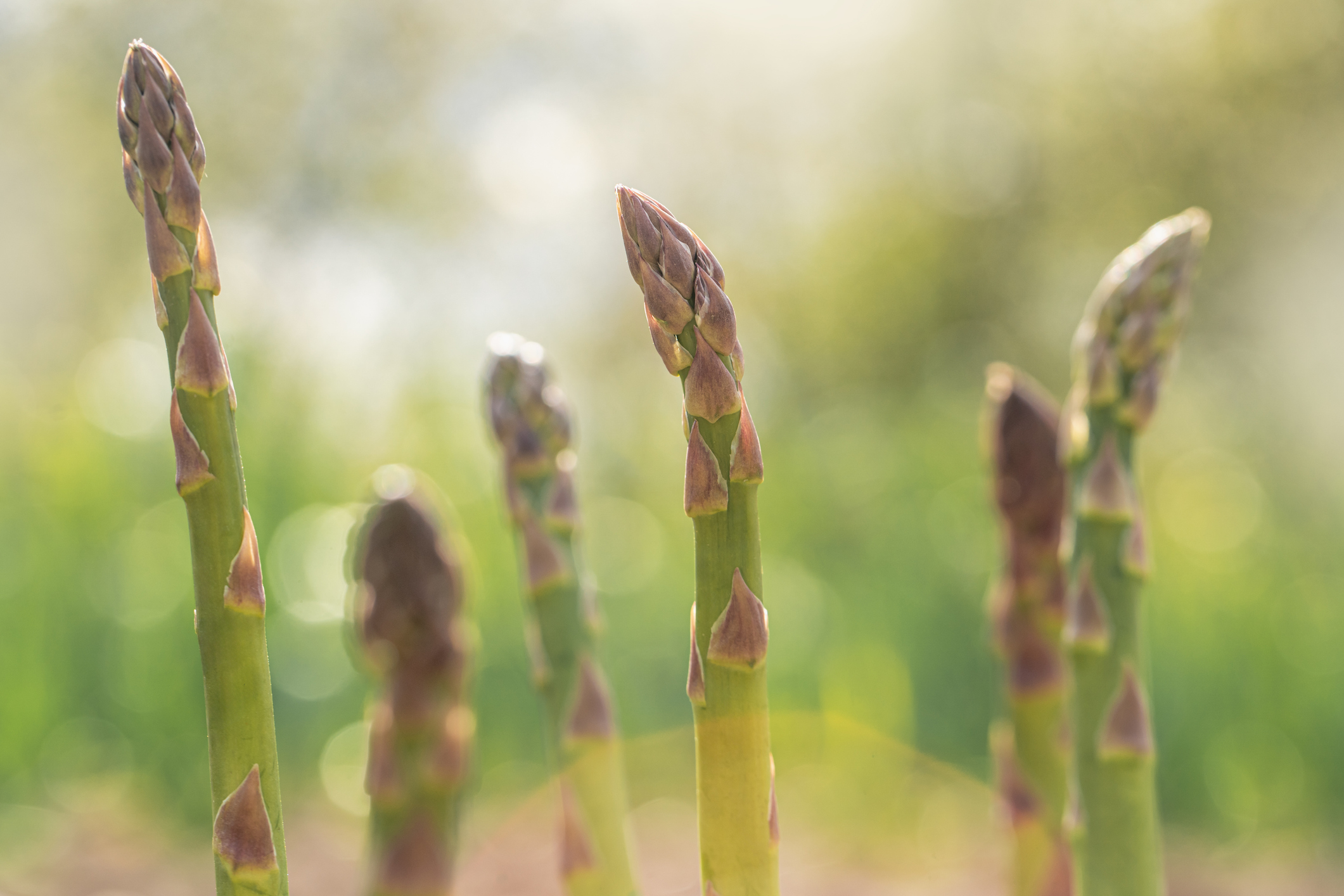
Asparagus, for example, is wonderful fresh and is relatively expensive to buy, but takes around three years to establish before you can enjoy a full harvest, which is incredibly frustrating if you’re a beginner.
Similarly, rhubarb is amazingly bountiful but is a perennial, and you should generally allow it a year to establish before harvesting. Things like carrots and peas are relatively quick to grow, but still vary in terms of yield.
Taking a few minutes to do this research will help you think about what is practical for your space and your needs. From there, start to make a little map of the space you have and what you want to put where, as well as expected sowing timelines.
This is where learning about seasonality comes in. Some crops are ‘hardy’, which means they can survive relatively low temperatures and frost, but others are ‘tender’, which means they will struggle or die if it gets too cold.
Some of the fruit and vegetables we buy in supermarkets are grown overseas in warmer climates, so not everything you are used to on your plate is achievable at home all year round.
You really don’t need a lot of space to grow food. Even a sunny patio with a couple of pots will do; it’s about matching the crop to the space.
Some easier crops to get you started that (generally) work in British climates
If you want something satisfying that will crop quickly, can be harvested repeatedly or can easily be resown, I’d opt for things like radishes, salad leaves and spring onions.
They’re great for beginners, as relatively little can go wrong with them apart from something nibbling the leaves. They’re fairly quick to harvest and are all suitable for containers, so you can try them regardless of the size of your space. You can start sowing these in spring, with some ready to harvest within weeks.
On the more productive side of things are runner beans, French beans and courgettes, but be aware that whilst you can continually pick these, they do need a bit of space.
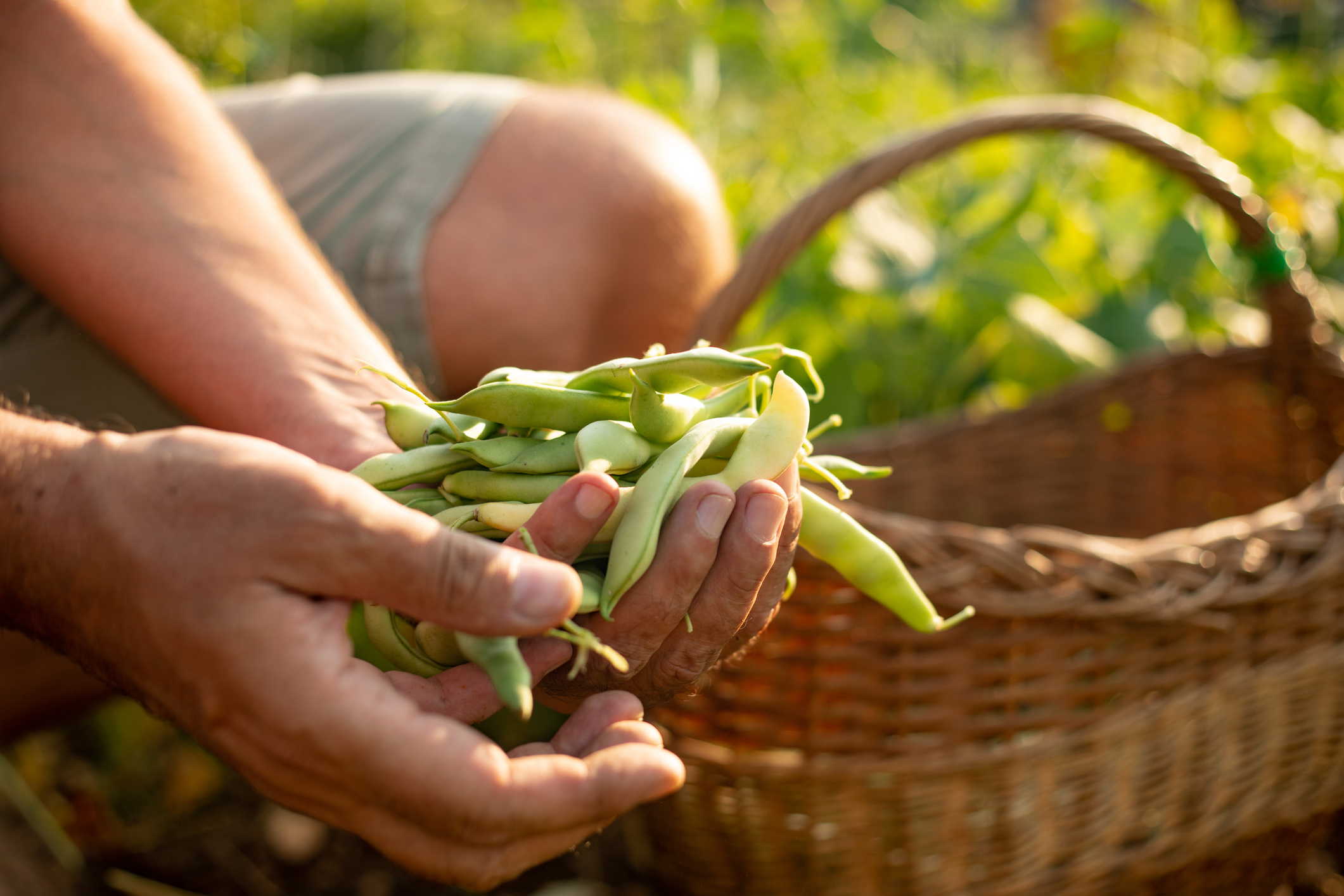
Runner and climbing French beans will grow vertically, and courgette plants do have quite the footprint. Again, they’re all relatively easy to have a go at growing and will provide plenty of summer harvests.
Some pretty standard kitchen staples that I swear by and always recommend to beginners are potatoes, carrots, garlic and onions.
Again, all fairly easy, and these are particularly well suited to a vegetable patch outside, although it is also possible to grow them in appropriately sized containers. They are very satisfying to grow as they provide the backbone to a lot of meals, so you can have that lovely homegrown feel at most dinner times.
In terms of perennial crops that do work out well financially in the long run, I’d opt for strawberries, raspberries, blackcurrants and rhubarb.
These all survive more than one year, although raspberries, blackcurrants and rhubarb are better suited to a slightly larger outdoor space. Strawberries are brilliant for smaller gardens and can even be grown in pots and hanging baskets.
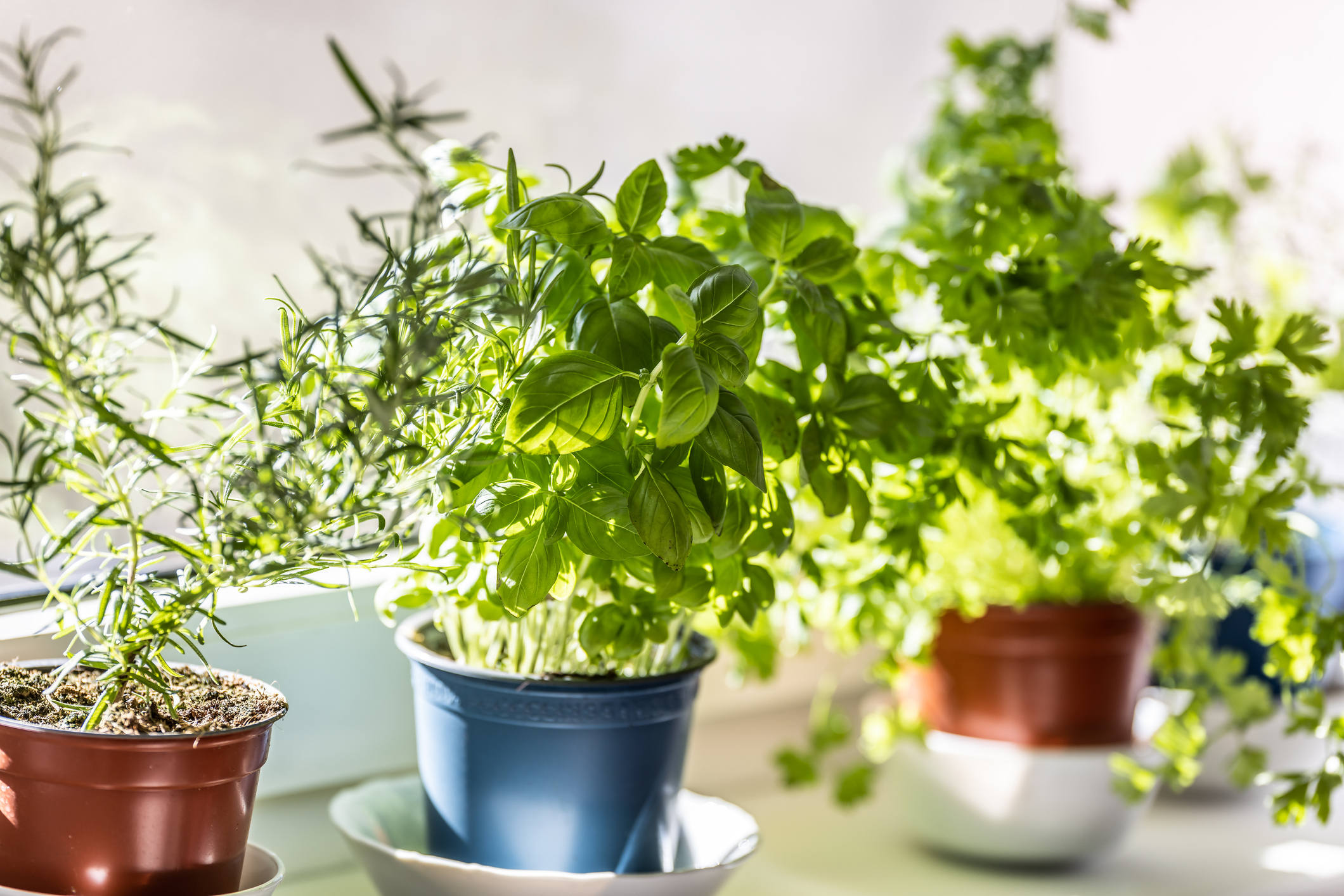
I’d also recommend a kitchen garden herb patch, as certain hardy herbs can be harvested throughout much of the year, with evergreen varieties such as rosemary and thyme providing fresh flavour even in winter. Fresh herbs add such flavour to a meal! (I wouldn’t recommend starting perennials from seed though if you’re a beginner; it’s best to source these as established plants.)
Eat with the seasons
Growing your own food successfully isn't about having everything available all year, because that’s largely impossible – it's about adapting what you eat to what's growing, and that in turn gives you a greater appreciation of the growing seasons.
You will also naturally start to learn how to extend your crops by preserving, freezing and storing in different ways. I’m now a jam-making and dehydrating pro, with a pantry full of beautiful little jars and concoctions, so I can enjoy something ‘homegrown’ all year round.
In practice, you won’t really struggle for crops in summer and autumn – your plate will be full of colour and taste, but you will need to be a bit inventive in winter and early spring. Hardy greens, leeks, brassicas and stored autumn harvests can help bridge the gap, but that is probably where a few more trips to the supermarket will come in…
Connecting back to nature
Not only does growing your own food connect you back to the seasons in terms of what you are eating, but it connects you back to nature more widely and encourages you to waste less – partly because you’ll have become very attached to those carrot tops you’ve spent three months nurturing!
Composting suitable kitchen scraps and adding the finished compost back to your patch helps nourish your soil in a lovely circular way. As you start to understand plant lifecycles, you can also start to save your own seeds and take a further step towards self-sufficiency that way.
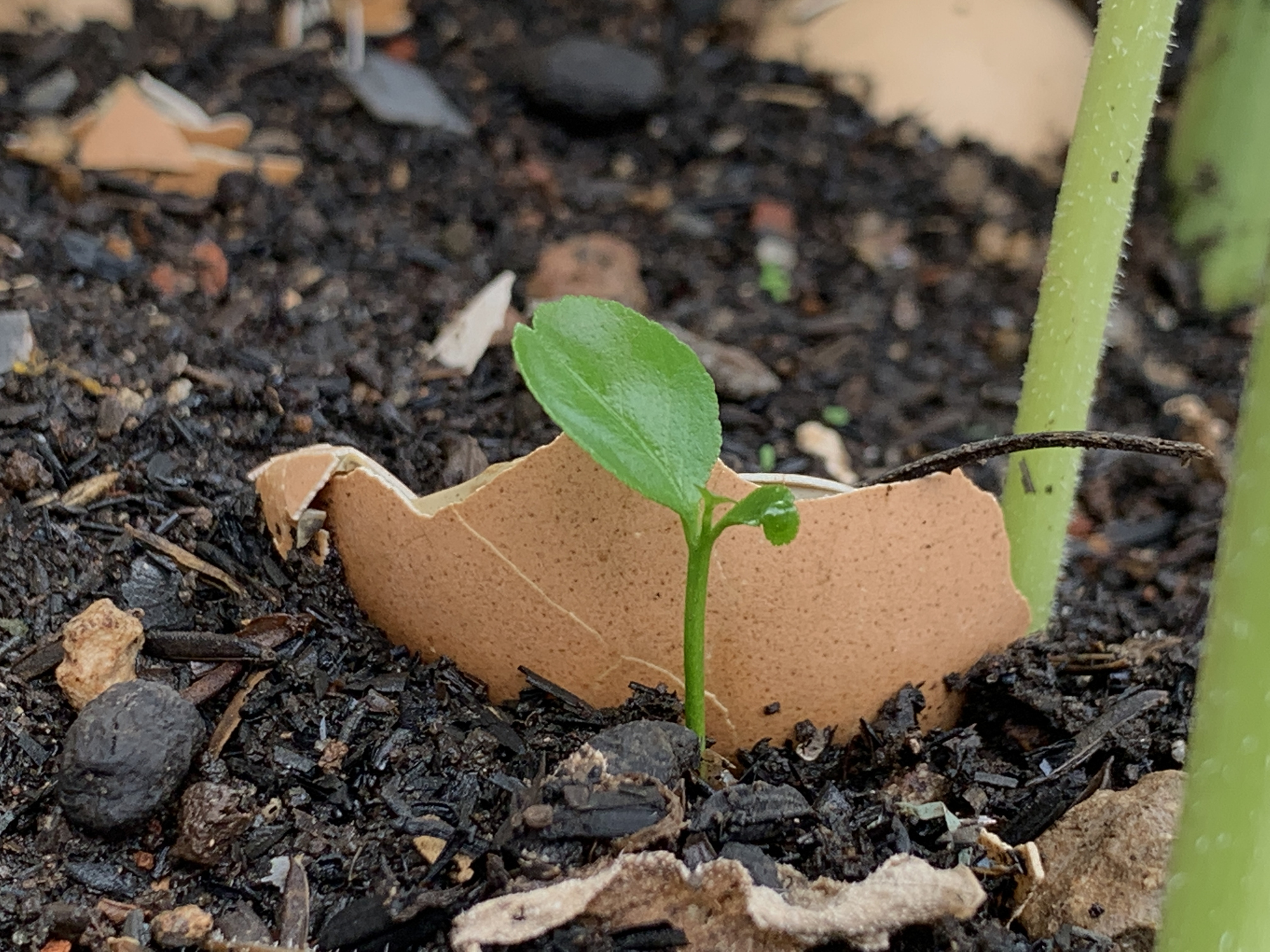
Saving healthy garlic cloves from your harvest to plant the following season can help you keep growing your own garlic year after year. The same goes for saving pea and bean seeds and propagating new strawberry plants from runners. Not only will your skills grow over time, but so will your appreciation of all the natural rhythms that make this possible.
There’s something so magical about growing food organically, encouraging pollinators and natural pest predators, and seeing how productive your garden can be when you work with nature rather than against it. Your veg patch is not only nourishing your family, but nature too, and I think that’s so wonderful.
Next steps – growing takes time
Compost, pots, seeds and watering all cost money, and realistically a single container of potatoes won't beat supermarket prices (but…a productive herb pot or established soft-fruit plant may offer better value over time, as will seed saving).
You won’t immediately nail a year-long crop plan, suddenly have enough space and no growing issues, and never have to set foot in a supermarket again. What you can do is take that first step, slowly trying to replace your supermarket shop with one homegrown item at a time, building your skills as you go…and see where that journey takes you…I promise you, you won’t regret it!