
We can easily see the similarities in some related species – sloths and anteaters, apes and orangutans, lions and tigers, zebras and horses – but in some species, the similarities are less obvious.
Armed with our finest detective skills, we take a closer look into the family trees within the animal kingdom, to find the most surprising sets of cousins.
To learn more on surprising relations, watch Chris Packham's new BBC series, Evolution, on the iPlayer.
Animals you won’t believe are related
1. Manatees and elephants
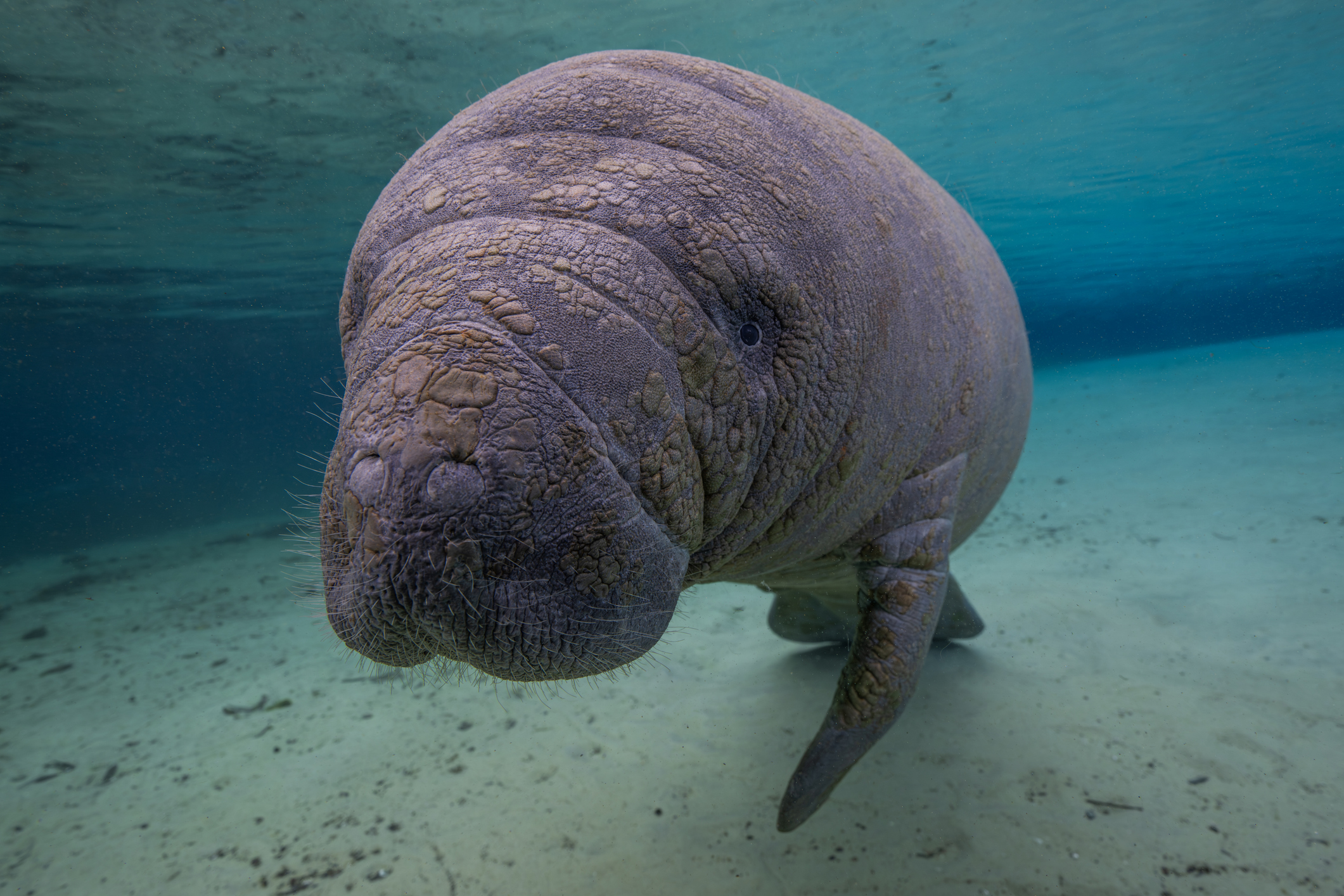
The elephant is actually the manatee’s closest living relative, despite occupying the land rather than the sea. Perhaps they ought to be referred to as ‘sea elephants’, rather than sea cows, which is the term with which they’re usually associated.
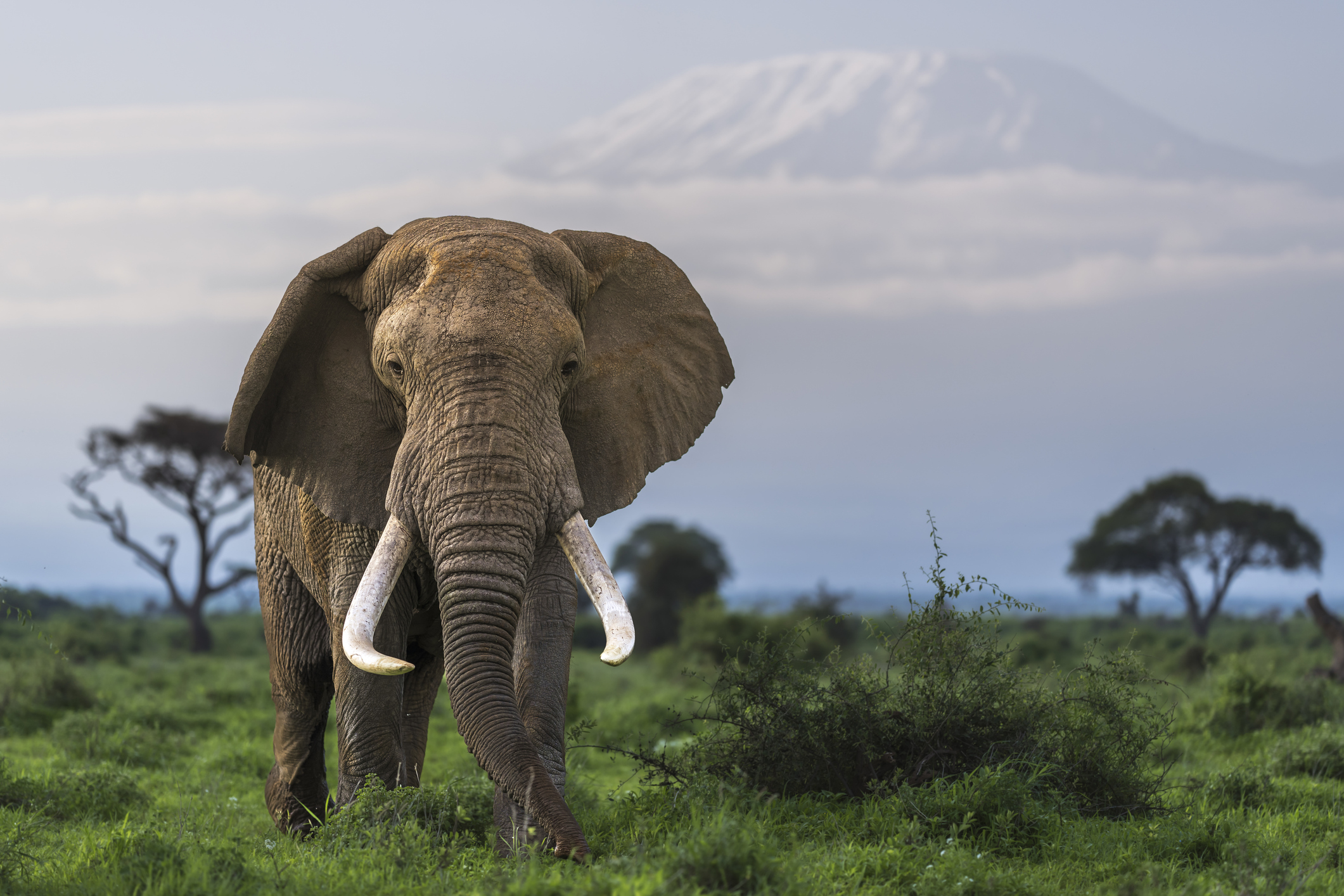
Manatees belong to a group of animals called Sirenia, which also includes dugongs – a very similar species. Sirenians and proboscideans (a group which includes elephants and woolly mammoths) are thought to have descended from a common ancestor. Sirenians are likely to have evolved from a four-legged wading mammal, but they now only have a tail for propulsion through the water. They still have vestigial pelvic bones, a carry-over from their evolution from four-legged to fully aquatic animals.
It’s perhaps not entirely surprising these two animals are distantly related, as they both have wrinkled skin and sparse hairs across their bodies.
2. Echidnas and platypuses
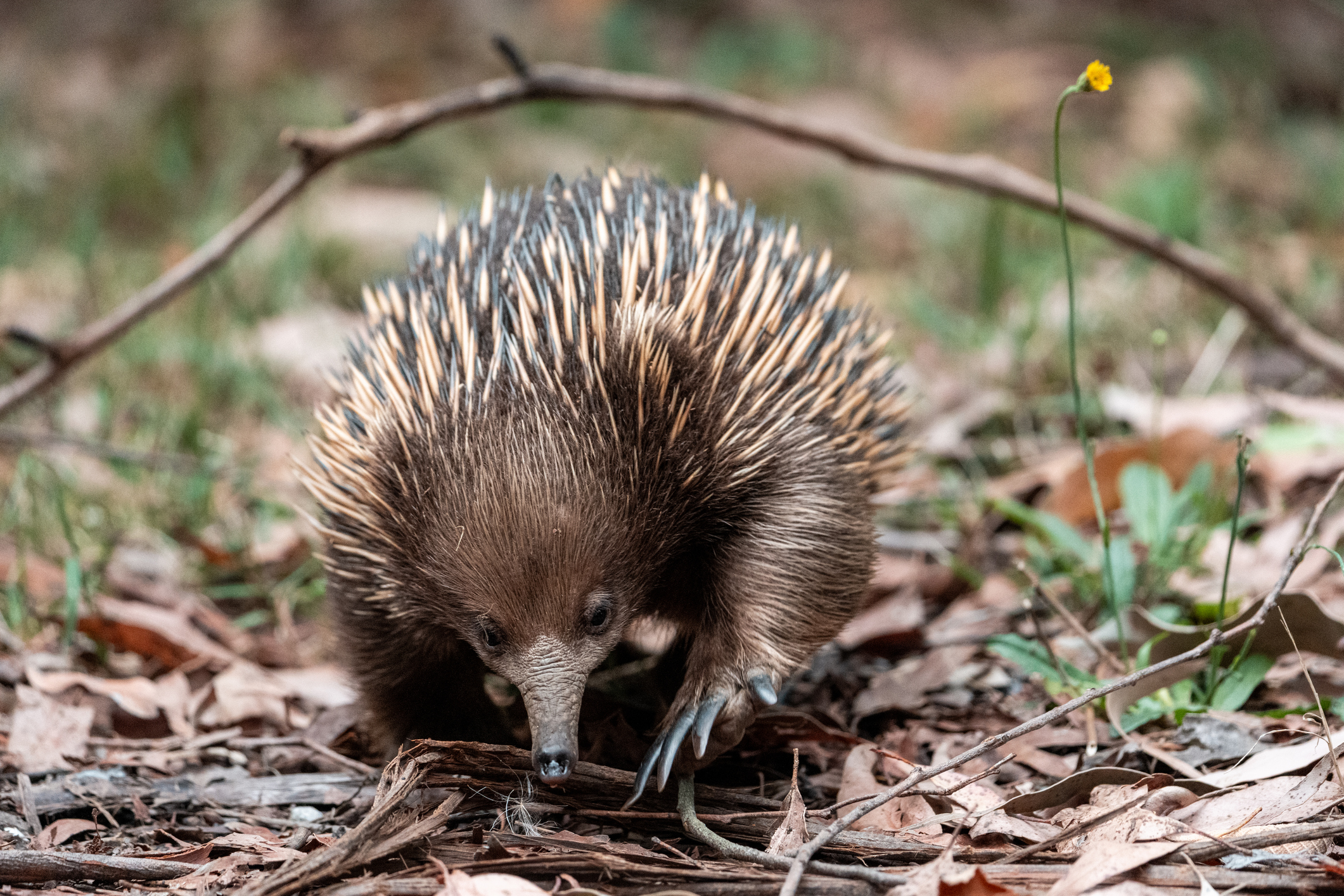
Echidnas and platypus are extremely closely related. In fact, the platypus’s closest living relative is the echidna. These two animals are the only living monotremes, an ancient group of mammals which lay leathery eggs instead of giving birth to live young.
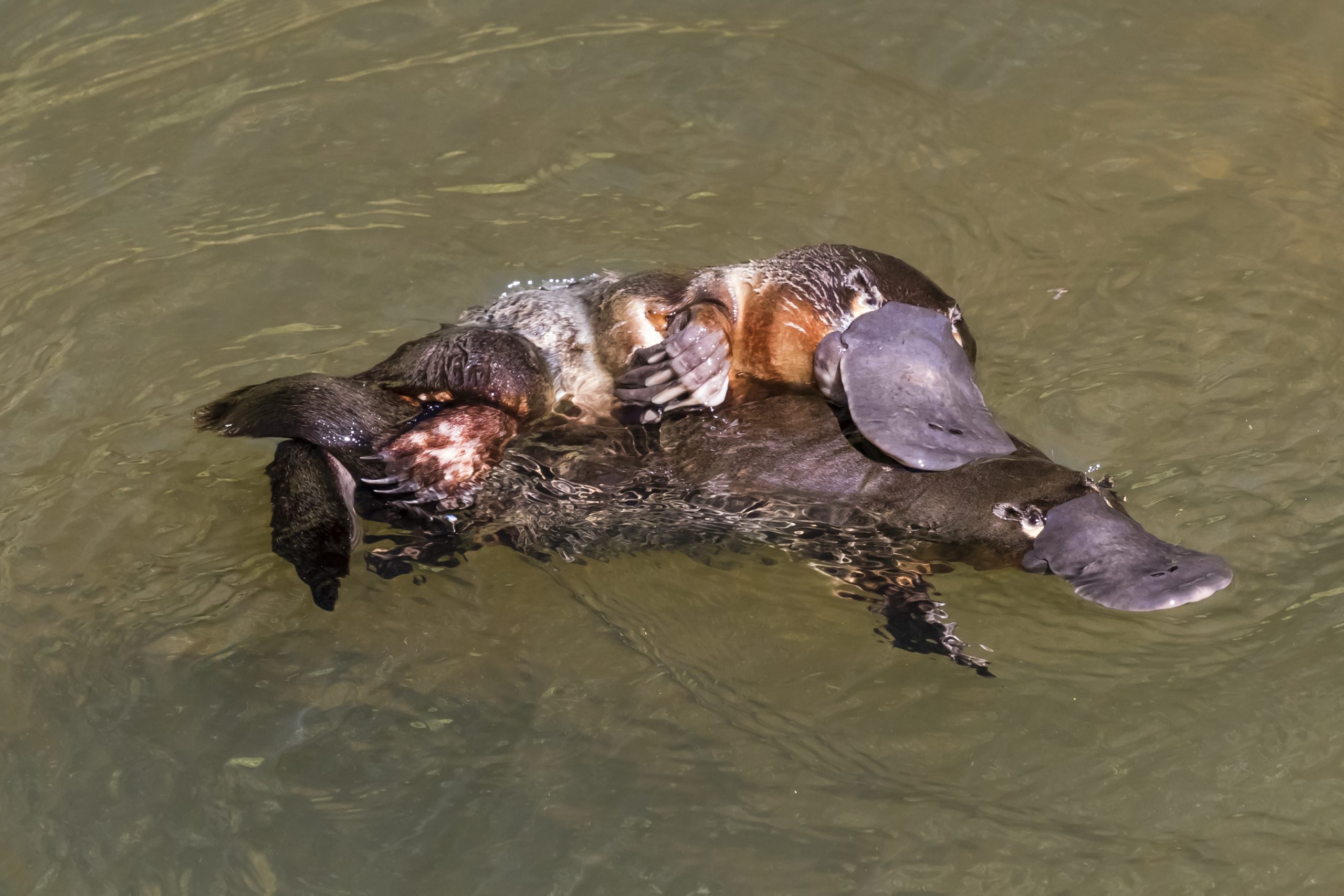
Although they are distinct from other mammals in this regard, they do nurse their young with milk, like all other mammals. Like birds and reptiles, monotremes have a single opening – the cloaca – for urinary, defecatory and reproductive tracts.
3. Falcons and parrots
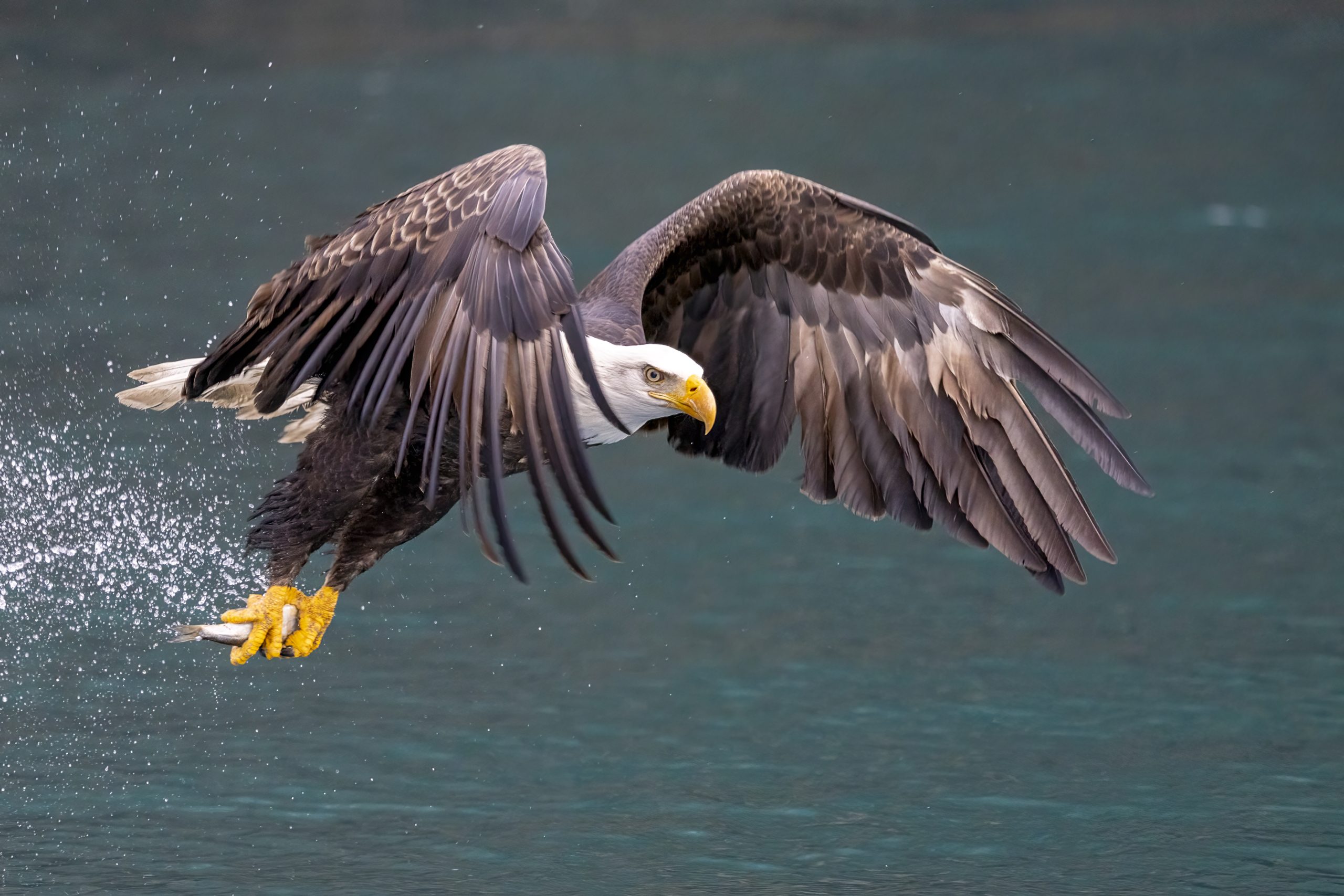
We might think of falcons as sharing more in common with hawks or eagles, but in fact, they’re more closely related to parrots. Aside from their hooked beaks, the two animals look so different that experts long overlooked the connection.
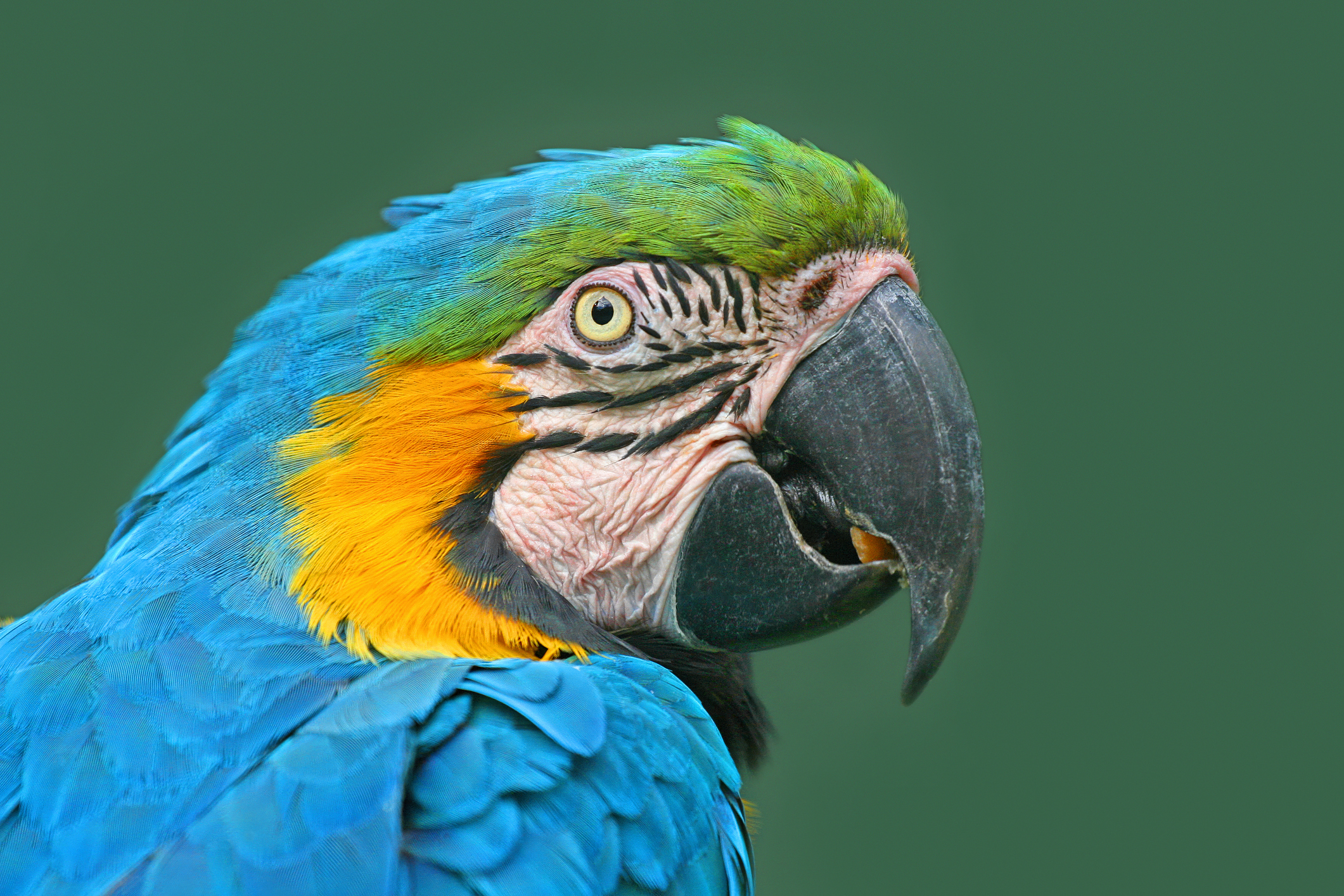
However, DNA studies have revealed that the falcon shares a more recent ancestor with perching birds than it does with other birds of prey.
4. Hippos and whales

While it might seem surprising to imagine these gargantuan sea creatures walking on land, whales are related to land-dwelling mammals, which lived on Earth between 52-57 million years ago. These early whales would have lived in coastal habitats, gradually evolving to the sea-dwelling creatures we know today.
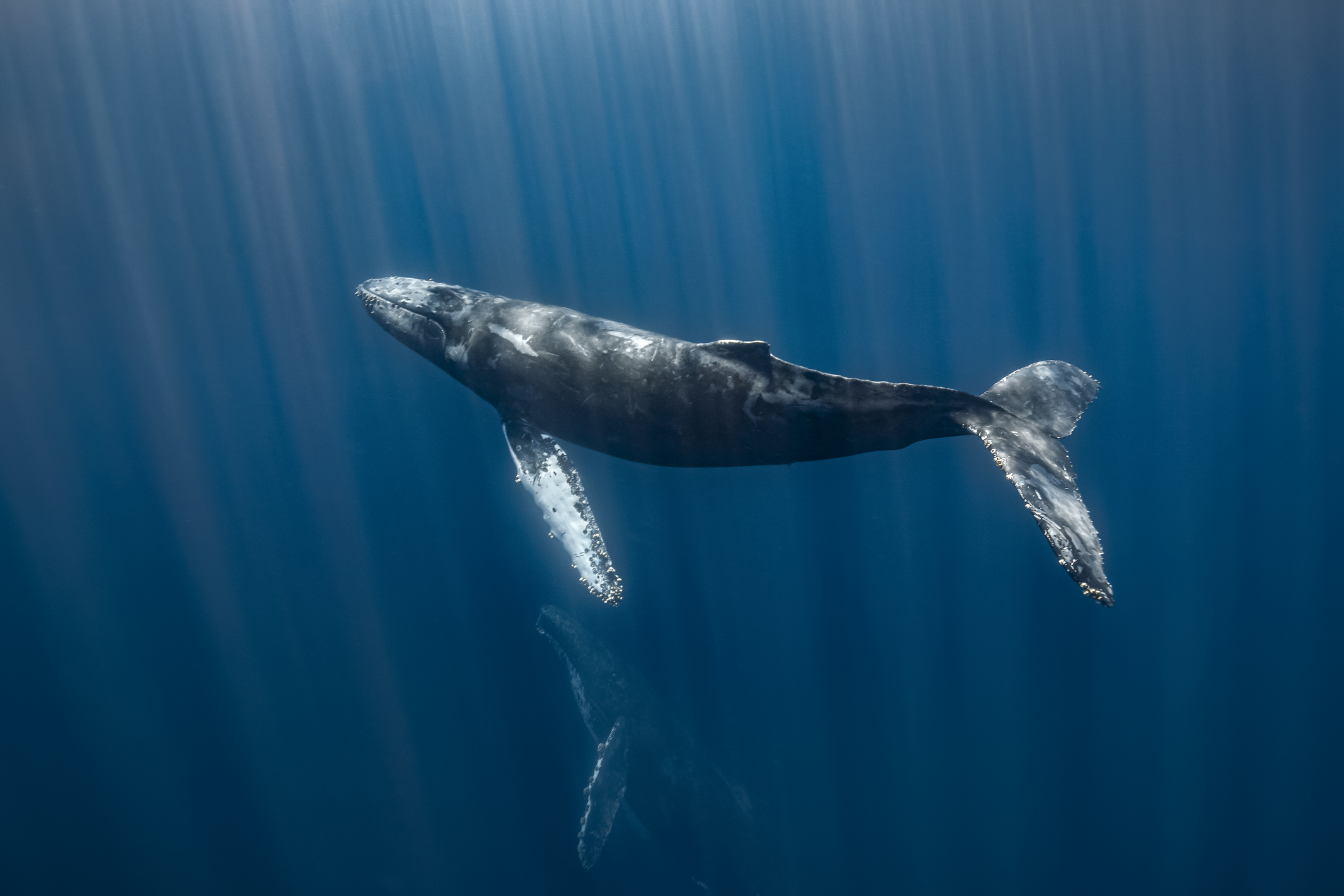
In the late 1700s, scientists began to notice similarities between the reproductive organs of whales and hippos. But it was not until the 1980s when the skeleton of Pakicetus (what’s known as the “first whale”)was discovered – containing bones found only in whales. Pakicetus lived entirely on land but was adapted to swimming.
DNA testing in more recent years has found that whales share a DNA sequence found in just one other animal: the hippopotamus.
5. Jellyfish and coral
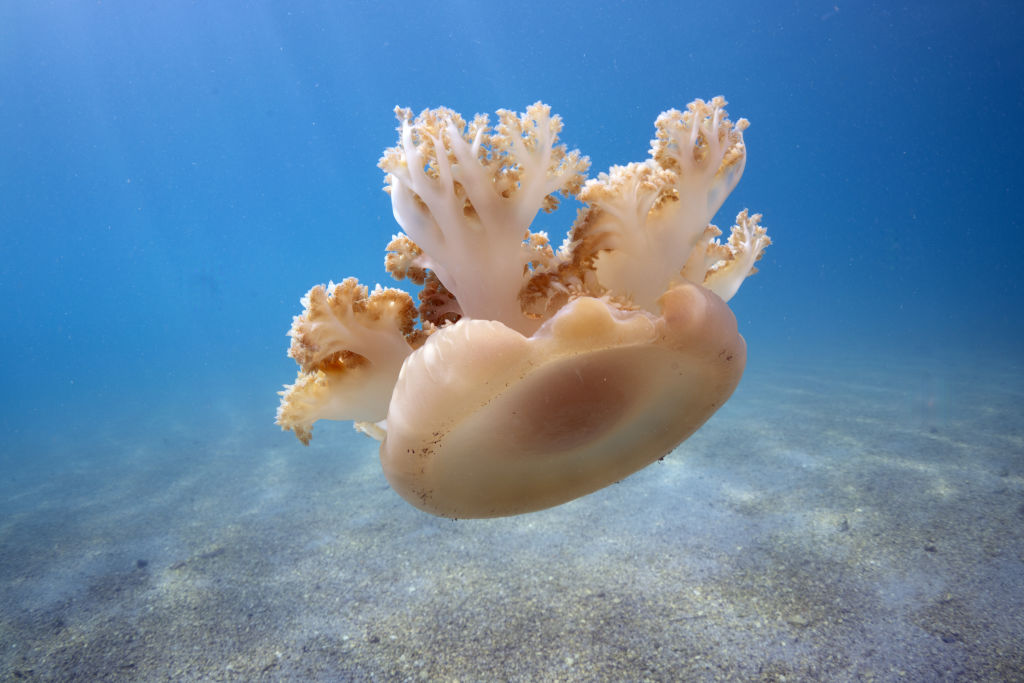
Corals and jellyfish are close cousins, both belonging to the group called Cnidaria, made up of animals with stinging tentacles, also including sea anemones.
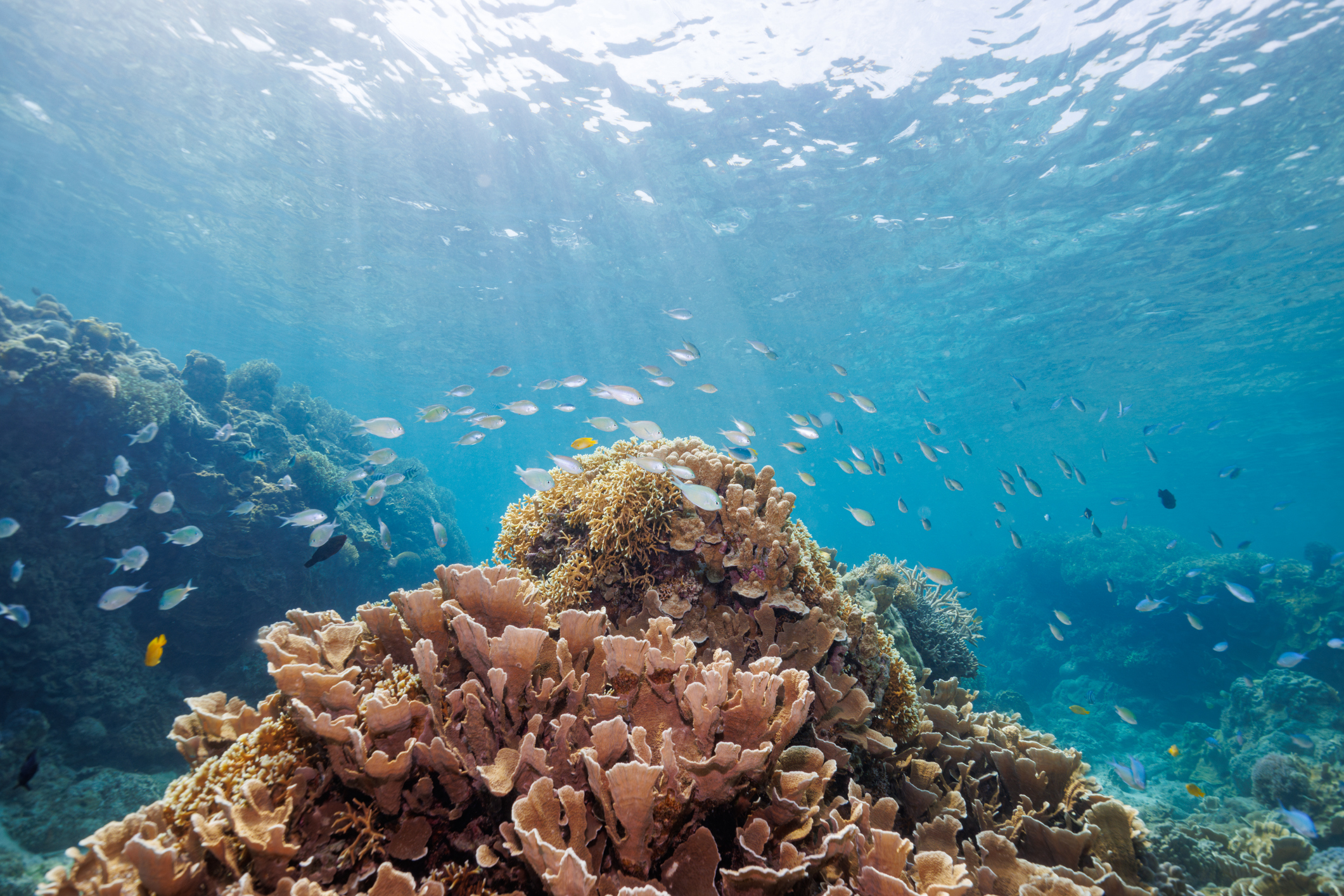
While corals are attached to the sea floor and jellyfish drift freely in the water, they share stinging cells and simple bodies with no brain or nervous system.
6. Humans and cows

It might sound like an unflattering comparison, but bovines actually share 80 per cent of their genes with humans. Although humans share a more recent common ancestor with rodents than with cows, it turns out our genome more closely resembles those of cows. This is likely because the fast reproduction rates of mice and rats caused their genomes to mutate and evolve much more quickly than those of humans and cows, research has found.

